
Letter from the Vice Chancellor
Dear Friends of Student Affairs

Dear UCSB Community,
As I step into the role of Interim Vice Chancellor for Student Affairs, it is a privilege to present the 2024-25 Annual Report. While I have served this campus for many years, I am honored to lead such a dedicated division during this period of transition. This report is a testament to the resilience, creativity, and unwavering commitment of our staff, who ensure that our students thrive both inside and outside the classroom.
The past year has been one of significant change as we said farewell to three titans of our campus community. We celebrated the retirement of Vice Chancellor Margaret Klawunn, whose ten years of leadership transformed the student experience. From championing the Promise Scholars Program to her critical work with the Financial Crisis Response Team and the Mobility Transportation Program, Margaret’s legacy is rooted in her deep care for student well-being and equity.
We also honored Associate Vice Chancellor for Student Life Katya Armistead, an alumna who dedicated 35 years of service to her alma mater. Katya’s impact – stretching from her early days in Admissions to her tenure as Dean of Student Life – has been profound. Her work in fostering inclusive campus culture and her mentorship of student leaders have left an indelible mark on generations of Gauchos.
Finally, we marked the retirement of Chancellor Henry T. Yang. For over three decades, Chancellor Yang’s vision propelled UCSB into the top tier of global research universities. His dedication to "rebenching" ensured equitable funding for our campus, while his commitment to sustainability and diversity created a vibrant, future-facing environment. We are deeply grateful for the foundation these leaders built.
Despite these transitions, the work of Student Affairs has never been more vibrant. Over the last year, our staff and programs have shown incredible ingenuity in supporting student success. We have seen expanded outreach through our Basic Needs initiatives, innovative professional development for our student staff, and a continued focus on mental health and campus climate. To the staff of Student Affairs: thank you for your tireless advocacy and for the heart you bring to your work every day.
Looking ahead to the 2025-26 academic year, I am filled with excitement. We are entering a new chapter for the university, one that offers us the opportunity to build on our values of teamwork, effectiveness, and inclusion. We remain focused on streamlining our processes and integrating new tools to better serve our diverse student body.
I would like to extend a special thank you to our assessment team. Their diligent efforts in gathering the data and stories within this report allow us to reflect on our progress and hold ourselves accountable to the students we serve.
As we move forward together, I am confident that our division will continue to be a cornerstone of the UCSB experience, preparing the next generation of leaders for the challenges and opportunities ahead.
Go Gauchos!
Sincerely,
Mike Miller Interim Vice Chancellor for Student Affairs
University of California, Santa Barbara
Profile: Early Academic Outreach Program
Expanding Access, One School at a Time
Featuring Rosa Martinez, Director of UCSB’s Early Academic Outreach Program (EAOP) By Mark Shishim*
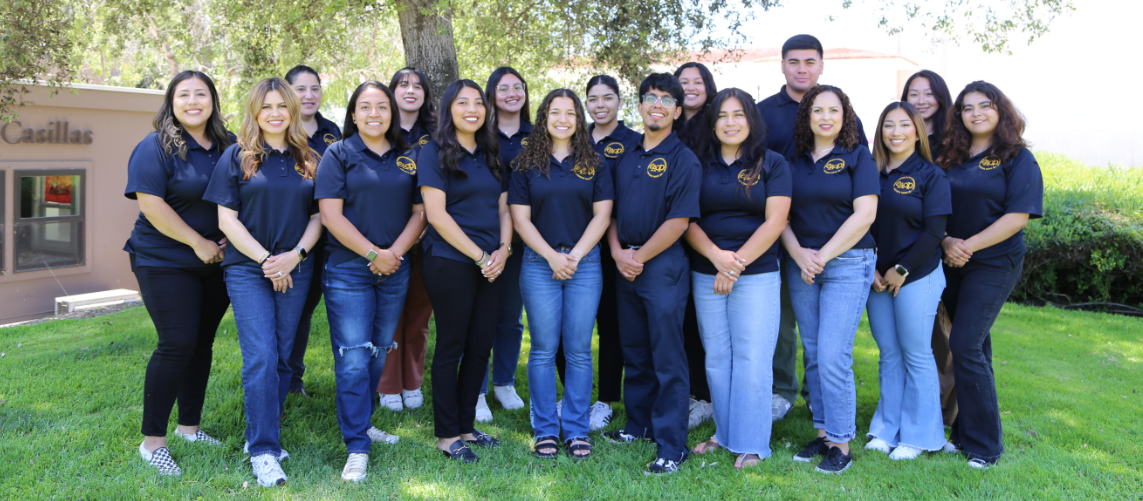
For Rosa Martinez, Director of the Early Academic Outreach Program (EAOP) at UC Santa Barbara, college access isn't just a mission—it's a lifelong commitment. With over 20 years in the program, Martinez leads UCSB's efforts to close equity gaps and empower California's underserved students with a clear-eyed dedication rooted in both experience and empathy.
EAOP is one of the UC system's longest-running pre-college programs, founded in 1976 alongside MESA (Mathematics, Engineering, Science Achievement). While MESA zeroed in on STEM opportunities, EAOP cast a broader net, targeting students from underrepresented backgrounds to increase their eligibility and preparedness for higher education. Today, UCSB's EAOP supports 13 partner schools across the region, offering layered, year-round programming that has evolved far beyond the traditional college awareness workshop.
Martinez recalls being an EAOP student herself in the Central Valley: "We'd see our coordinator once a month—maybe a workshop, a quick check-in. It was really just, 'Hey, you can go to college. Here’s how.'" That minimalist approach has given way to something far more dynamic and comprehensive at UCSB's EAOP.
Through the leadership of the previous director, UCSB's EAOP team embedded full-time staff at each partner school, offering services not only to select cohorts of college-bound students but to entire grade levels. With customized academic advising, application support, and college readiness academies, the program scaffolds knowledge year by year. "We track every student we serve," she notes, "so we can show outcomes and adjust our approach when necessary."
Still, these efforts come at a cost. EAOP programs across California faced a 50% funding cut in the early 2000s, prompting UCSB EAOP to innovate to a cost-sharing model with schools and districts. The evolution of this funding structure allowed the program to sustain the number of schools we work with. That model— fully implemented over 15 years—has become the backbone of the current service structure. But today's economic landscape poses new threats to the fiscal model.
"Our core funding would limit EAOP UCSB to sustain only five to six staff members," Martinez explains. "Without those district contracts, we couldn't maintain the current level of services we provide to thousands of students."
Indeed, the numbers tell a compelling story. In the most recent UC admissions cycle, seven out of the ten EAOP partner high schools not only increased the number of UC admits— but also set all-time admit records.
Our College Site Coordinators have done an outstanding job at getting students to not only be competitive applicants, but also be admitted. Yet, this is only part of the picture. As a program, the next focus will be on helping more students successfully matriculate into a university. Martinez admits that "the next frontier is enrollment. We need to understand why only a fraction of admitted students end up enrolling at a university."
Financial barriers remain a formidable obstacle for the majority of the students we work with. "If students don't have the means to cover their university expenses, they're not going anywhere." In some cases, the costs of attendance exceed the family's annual income. So, Financial Aid is critical to students matriculating into the university of their choice.
Ongoing challenges with last year's rollout of the "better" FAFSA and this year's growing concerns among mixed-status and undocumented families have made financial aid advising a high-stakes, high-touch endeavor for our dedicated College Site Coordinators. "We don't tell students and parents what to do. Instead we assist them with the mechanics of completing the form and sharing fact-based information so that they can make an informed decision."
That student-first orientation defines EAOP's ethos. While it is a plus when students choose to matriculate to the UC system, the goal is broader: to guide students toward any post-secondary path UC, CSU, community college, or out of state colleges. "This isn't about creating UC customers. This is about California investing in its talent and its future."
A critical part of that investment lies in the people EAOP hires and trains, our College Site and Academic Services Coordinators. EAOP staff are more than advisors—they're curriculum designers, workshop presenters, community builders, and most importantly role models.
Many come to the role aspiring to be educators or counselors, and they leave with the skills to do both. "We train them to work under pressure, to pivot, to create, to inspire" Martinez says. "Some of our program's biggest innovations have been initiated by our College Site Coordinators."
One such initiative— EAOP's summer College Readiness Academy—was born out of a staff member’s summer observations of a large number of students dropping by with the same types of questions throughout the day. So, they proposed to coordinate informal workshops and small budget for snacks and supplies. That grassroots idea evolved into a structured, site-based college boot camp model, now a summer mainstay across EAOP's partner schools for close to fifteen years.
"The creativity of our staff is what gets us through tough times," Martinez reflects. "And as leaders, it's our responsibility to support them—to give them room to design, test, and grow."
As she looks to the future, Martinez is clear-eyed about the challenges that economic uncertainty and political shifts have on the K-20 education landscape. She's equally resolute on EAOP’s role in the ongoing need to build sustainable pathways to higher education for high school students. "We have to be flexible. We have to listen. We have to evolve. Because what we’re doing—it matters. For our students, for our communities, and for California."
*For this profile, ChatGPT was used to generate a summary of a transcript from an interview. The prompt used was to generate a summary of main points from the interview transcript for a professional profile. The output from this prompt was used to organize the text above. The summary was reviewed and edited and reworked for accuracy and relevance by the author and interviewees.
University Awards: 2024-2025
University Award Recipients
Excellence in Science and Service: June 2025
University Award Recipients - June 2025

Cassidy Jordan Miller
Thomas More Storke Award for Excellence
A scholar in the College of Letters & Science Honors Program, Cassidy graduated with a Bachelor of Science in Biopsychology and minors in Applied Psychology and Poverty, Inequity, and Social Justice. She has eight academic publications in progress, collaborated with four faculty members across two campuses, and presented her interdisciplinary research on neurodiversity at major academic venues. As a co-founder of the UCSB Neurodiversity Task Force, she developed and delivered presentations on inclusive teaching strategies for faculty and staff. Cassidy’s impactful leadership extended to advocacy with Associated Students, where she contributed to the advancement of a California bill on abortion access and worked to enhance emergency pregnancy resources at UCSB. Her achievements are all the more remarkable given that she sustained a traumatic brain injury early in her college career, a challenge she continues to navigate with extraordinary resilience.
No Photo
Ethan Lord
Jeremy D. Friedman Memorial Award:
Ethan dedicated his time at UCSB to ensuring LGBTQIA+ students felt safe and supported. As the first-ever LGBTQIA+ Housing Coordinator, he worked to overcome obstacles and pushback to advocate for the integration of a gender-inclusive housing application. He created educational resources and met individually with queer and trans students to provide case management support during an unprecedented housing crisis. He also trained his successor to ensure a smooth transition and continued support for this community. Ethan’s nominator wrote, “Ethan’s persistence, care, and passion significantly improved how the Resource Center for Sexual and Gender Diversity and UCSB serve a unique and heavily impacted demographic of students.” He has certainly left a profound legacy of advocacy, creating a path and resources for future queer and trans students.

Max McKinney
Alyce Marita Whitted Memorial Award
After returning to UCSB to complete his degree, Max made it a priority to support students struggling with substance use disorder, a challenge he himself had faced. As a volunteer for Gauchos for Recovery, he used his lived experience to build relationships with UCSB’s fraternity community, a group the program had previously struggled to reach. His nominator wrote, “Thanks to Max, authentic relationships have been built and fraternities on this campus are more likely to have the resources and training to allow them to prevent an overdose death.” In just one year, Max also led a weekly recovery meeting for graduate and non-traditional students that attendees described as “a lighthouse and an anchor supporting them.” His courage and passion for service have created a safer campus and left a remarkable impact in a very short time.

Jaz’myne Gates
Yonie Harris Award for Civility in Public Discourse
Jaz devoted her time at UCSB to uplifting the Black community and building bridges with other student groups. As a two-year president of the Black Student Union, she organized numerous events and was recognized as a catalyst for positive, long-lasting change. As Co-Chair of the MultiCultural Center Council, she focused on how Black and Latinx students can support each other, which led to a collaborative event that brought dozens of students together to share a meal, study, and decompress. In her role as Diversity Intern in the Office of Admissions, she engaged with over 350 prospective students to create a welcoming and informed space for all. Her nominator praised her consistent ability to lead with empathy, integrity, and thoughtfulness, noting that her affirming presence allowed even the most challenging conversations to become opportunities for connection and understanding.

Ali Muller
Michael D. Young Engaged Scholar Award
Ali, who received her PhD in Education, is honored for her exceptional dedication and leadership in the field of science education. For seven years, as the graduate student coordinator at the Center for Science and Engineering Partnerships, she improved STEM engagement and access for a diverse array of students. Ali built bridges between campus research and community education by implementing key changes that led to better student outcomes in the Apprentice Researchers Program, which pairs high school students with UCSB lab mentors. She also fully revamped instructional training for the School for Scientific Thought and created videos to connect real-world research with concepts for middle and high school students. As her nominator noted, “although many graduate students contribute to outreach or mentorship as a one-time or short-term effort, Ali made these programs a central and sustained part of her graduate experience.”
Campus Organization of the Year 2025
Isla Vista Trading Post
Margaret T. Getman Service to Students Award Recipients 2025
Samantha Scudder
Psychological & Brain Sciences

Viviana Marsano
Civic & Community Engagement – DOS

Kianna Tarango
Residential & Community Living

Edwin Feliciano
Student Health Service

Betsy Kaminski
Women’s Center

David Lawrence
College of Letters & Science

William J. Villa Departmental Service to Students Award Recipients 2025
Campus Advocacy Resources & Education (CARE)

Undocumented Student Services (USS)

Alcohol and Drug Program (ADP), Student Health
Story of Resilience - Gauchos for Recovery
Hugh Cook from Peer Leader to Leading Peers
Hugh Cook’s story…
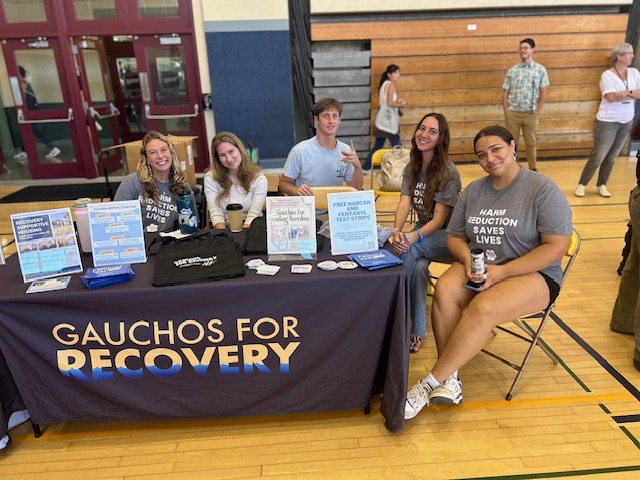
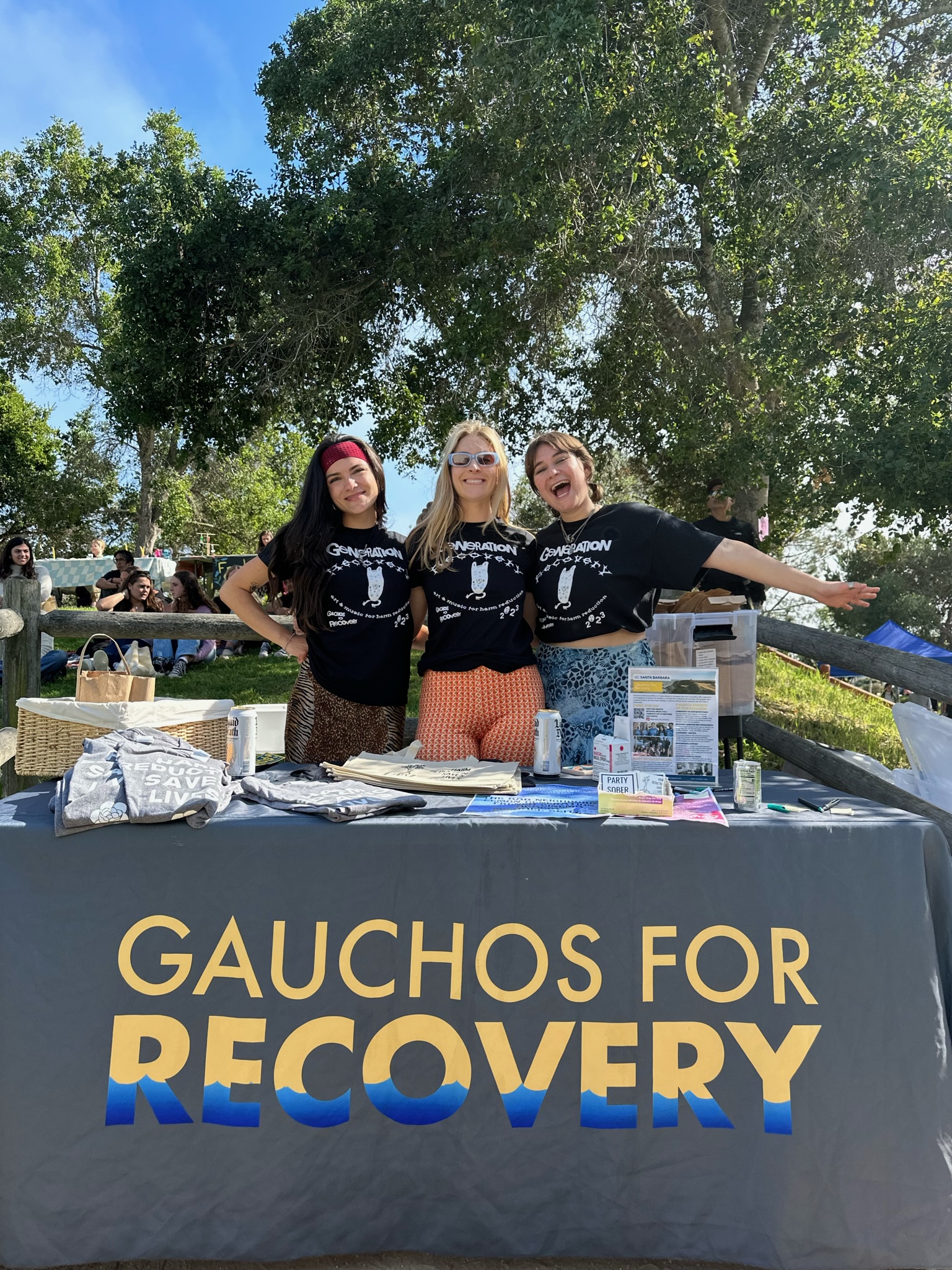
I have been lucky to be a part of Gauchos for Recovery (GFR) both as an undergraduate and as a staff member. I joined Gauchos For Recovery when returning to UCSB to finish my degree, and became a Recovery Peer Intern. Upon graduation, I was hired as the Recovery Program Assistant Manager, to oversee the new Recovery Supportive Housing Program.
● How did your involvement as a student in Gauchos for Recovery help you overcome challenges and build resilience?
GFR is the antidote to the sense of isolation and impossibility substance use can create. For many students seeking support with substance use, it is easy to conflate needing help with failure. Many students at UCSB have arrived here due to rigorous academic commitment. One’s fellow students seem to be able to moderate substance use effortlessly. Our community of students provides the compassion, encouragement, and humor needed to break out of that rut of shame. As a member of GFR, the fact that I could feel so normal while still honoring what was unique about my circumstances seemed impossible before finding this community. As a group, we danced sober at events on campus and in Isla Vista, which I would never have done before. When classes felt overwhelming, I was able to call on my group for support, and create new habits around school work. Where I previously would have dropped a class, I was able to succeed, because the largest obstacle to my success was removed.
● In your current role as Recovery Program Assistant Manager, how do you help students build resilience? In what ways do you see GFR students overcoming challenges?
I help students build resilience by asking them questions which may not have been asked before, and by sharing my experiences with them. I might hold onto their hope when they can’t access it, or try to bring honesty to times of confusion. I see students overcome their own challenges, and learn how to replace shame with purpose and satisfaction. It’s an honor to witness students with such diverse experiences develop mastery, when they may be experiencing intense trauma or finding a new balance in a life transition. I see them build careers, and new relationships, and figure out a future for themselves. They try new things and adjust if it doesn’t work. They become the people they really are, and it is incredible to see.
By the Numbers
Highlights of the UCSB Gauchos For Recovery Program
GFR received the designation of “Reviewed Collegiate Recovery Program” by the Association of Recovery in Higher Education through their Standardized Review and Accreditation Program. UCSB Gauchos for Recovery was one of ten universities selected to participate in the pilot year of the accreditation process.
GFR partnered with UCSB Housing Dining and Auxiliary Enterprises to establish Recovery Supportive Housing in Santa Ynez Apartments; now completing its 2nd year of operation providing a supportive living community for students in recovery.
Campus Advocacy, Resources & Education
All Survivors Are Resilient
Building agency and belonging

This perspective made me rethink how I approach student challenges - rather than offering pity or quick fixes, true support comes from actively listening, validating emotions, and creating space for students to navigate their learning journey on their own terms. - Graduate Student Feedback
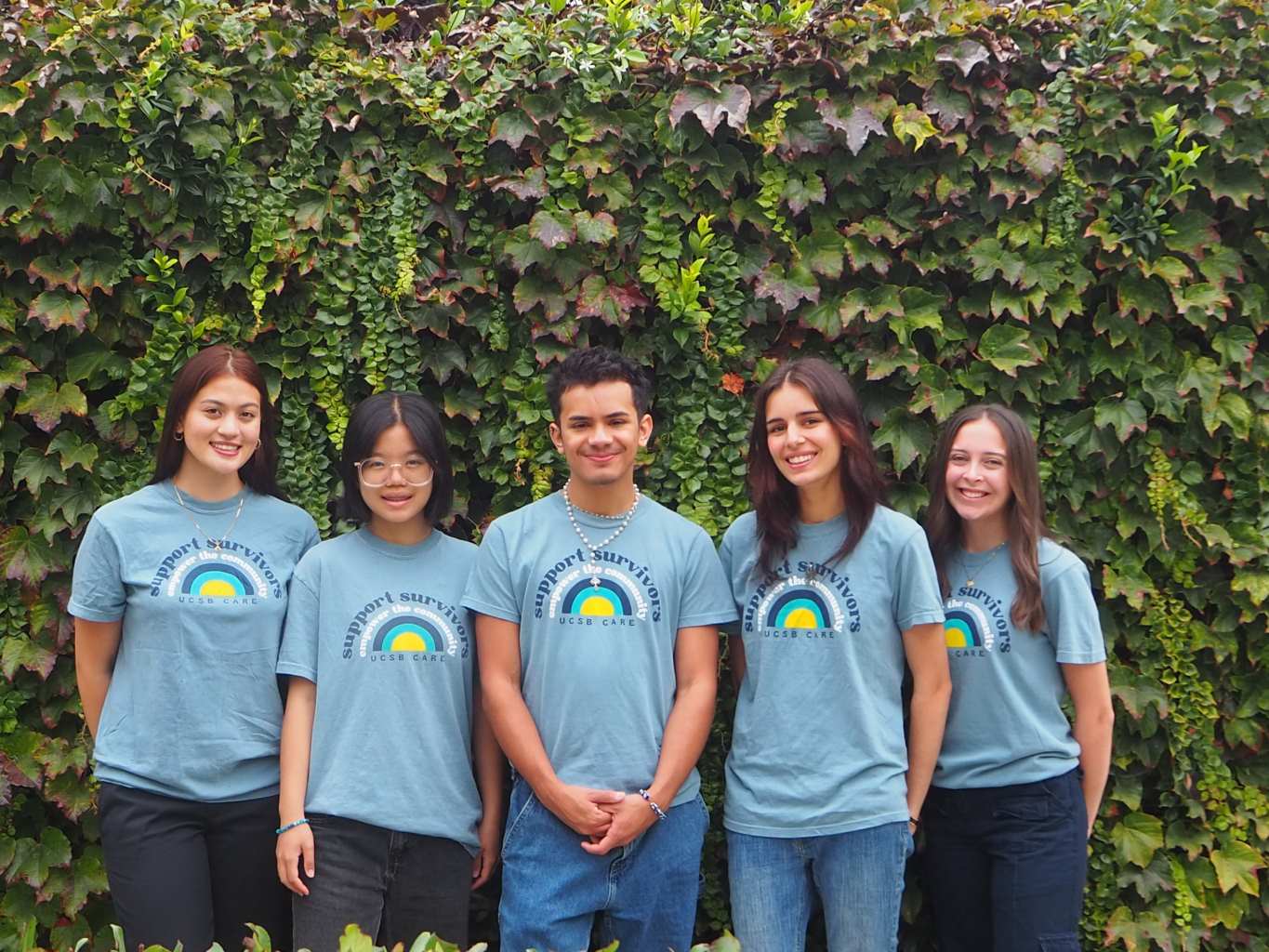
Throughout the 2024-2025 academic year, CARE services fostered resiliency by creating student connections, delivering prevention content, and reducing barriers so survivors of interpersonal violence can seamlessly access confidential resources and pathways to healing and empowerment.
While we recognize and wish to honor the incredible resilience of the survivors at UCSB, we hope that, as a community, we can come together to dismantle and rebuild the systems of power and control that perpetuate the violence from which our survivors must demonstrate resilience.
Through CARE’s interactions on campus, such as tabling, campaigns, workshops, or trainings, we reached out to over 10,000 students. These deliverables were not only evidence-based education, but they were intentional efforts aimed at creating a UCSB culture that is rooted in consent, empathy, and survivor-centered support.
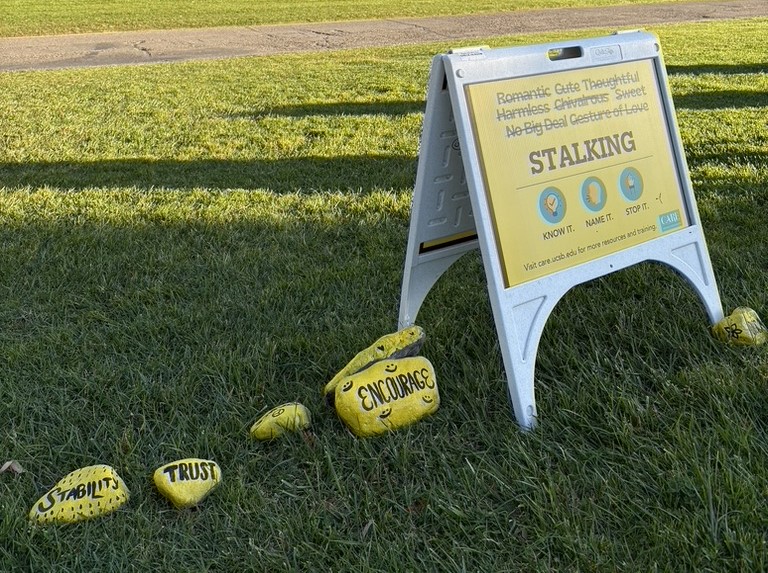
For example, in January, during National Stalking Awareness Month, we delivered a multi-faceted campaign addressing stalking warning signs, how to intervene, and information to connect impacted students to confidential advocacy services. During each quarter, CARE offered training to graduate students as part of the Certificate in Inclusive Teaching in collaboration with Instructional Development. This training provided graduate students with the skills they need to create spaces where survivors are not re-traumatized, including how to respond compassionately to disclosures and ensure that survivors are active participants in the classroom.
Through these connections, survivors were able to access the trauma-informed advocacy services they needed, which include: academic accommodations, formal reporting processes, safety planning strategies, and ongoing wellbeing support to continue their educational journey.
CARE’s mission is to provide professionally designed services for the prevention and intervention of sexual assault, relationship violence, stalking, and harassment. Through policy development and community collaborations, we are committed to survivor empowerment and a public health approach for prevention.
Counseling and Psychological Services
The Cloak of Confidentiality
Resilience is...
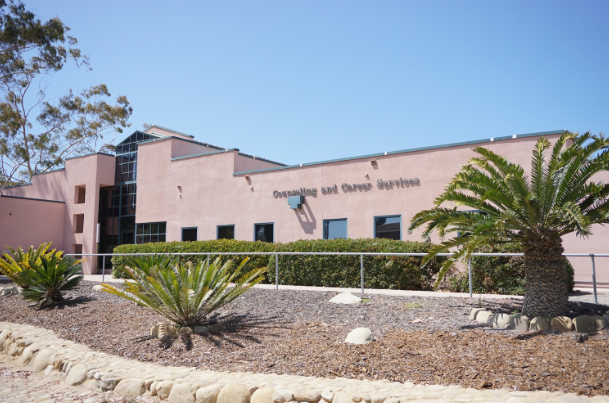
Resilience is synonymous with the mission of CAPS. However, the cloak of confidentiality is both important and limiting in our ability to share specifics of the impact of our work. Approximately 53% of students presenting for services at CAPS report moderate to high levels of distress, and 71% indicate that their mental health concerns are interfering with their academics. In response to these needs, CAPS provides timely, culturally responsive, and impactful care across multiple service areas. How do we choose what to highlight?
Do we highlight the student who shared that they would never have sought help if we didn’t have clinicians housed in El Centro? Or the student who worked with our ADHD evaluation team, who finally received a diagnosis that helped them to better understand their own brain and get access to services that altered their academic trajectory. Perhaps we should focus on the student who felt seen and supported like never before during their travels as part of the Black Heritage Cultural experience, which they considered a life-changing experience. Or perhaps we highlight the student who received a callback from our Front Desk within 24 hours to get them set up with a brief assessment. There was also the “Break Fast @ CAPS,” an event where Muslim students and CAPS staff could come together to break fast during Ramadan. This event, organized by one of our doctoral interns, demonstrated how culturally attuned outreach can reduce stigma, enhance access to care, and foster meaningful relationships between students and mental health providers.
Our Group programming had a stellar year, with a record number of therapy groups (75 for the academic year) on topics ranging from coping skills groups, art therapy workshops, identity-specific support groups, trauma recovery, and somatic and yoga groups. CAPS's resilience mission is interdisciplinary, and we routinely partner with other departments. To expand our reach, amplify our impact, and more effectively serve the diverse needs of our students. This year, we have collaborated on programming and outreach with the following departments (in no particular order): AdCRC, MCC, OBSD, EOP, DSP, USS, OISS, ONDAS, AS, SMHCS, SHS-Behavioral Health, CARE, Basic Needs, H&W, Academic Advising, Health Comm, Health Equity, GSA, Orientation, RCSGD.
Daily Nexus
Resilience Through Journalism
The Daily Nexus
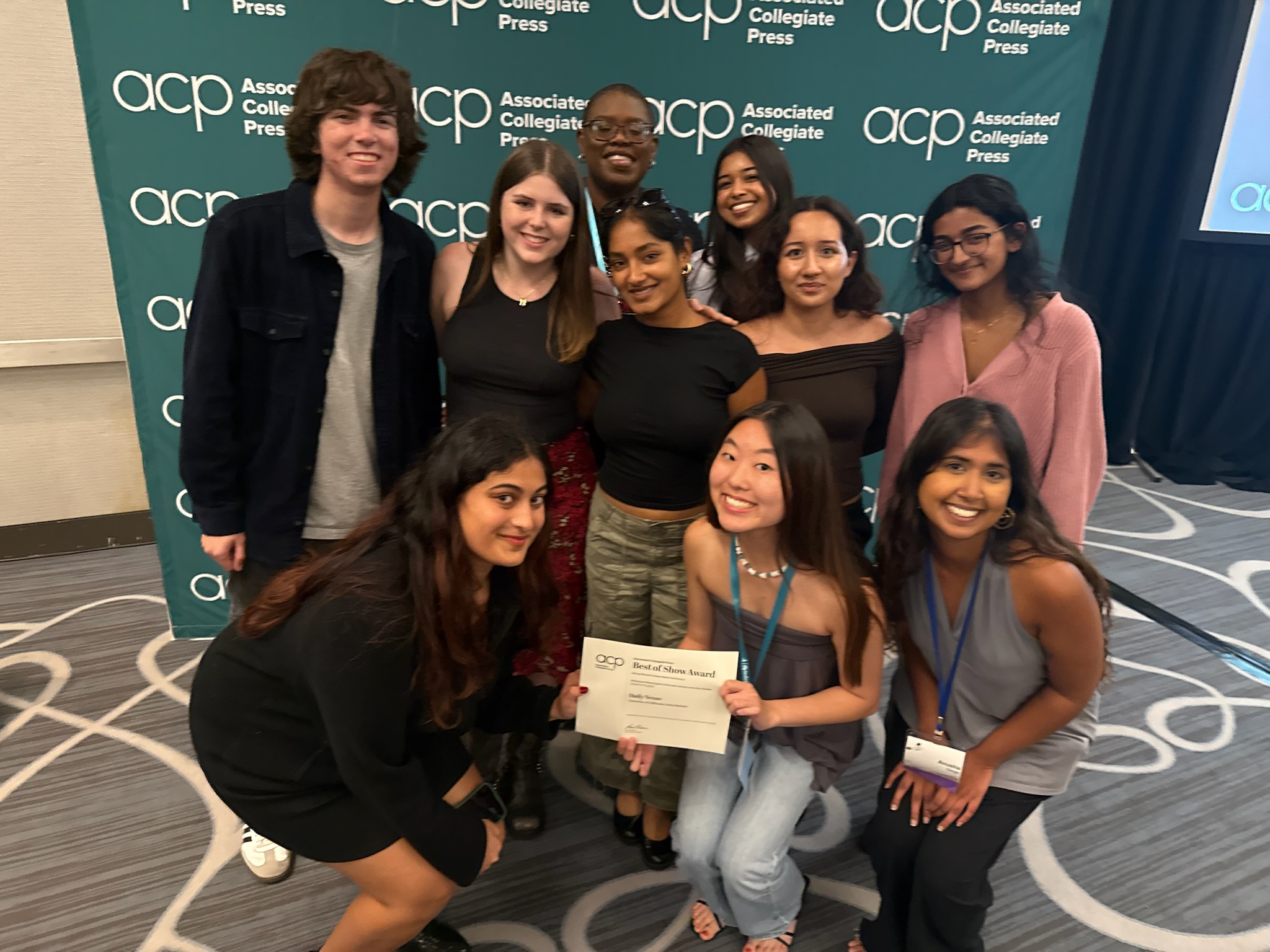
The Daily Nexus, UC Santa Barbara’s independent, student-run newspaper, strives to overcome barriers by upholding expansive coverage that showcases the many voices that contribute to UC Santa Barbara and Isla Vista's broader community, in addition to cultivating an accessible space for students to gain experience in student journalism.
One of the core principles of Nexus journalism is community outreach — featuring events, organizations and individuals that contribute to UC Santa Barbara and Isla Vista's vibrant and diverse community. The Nexus’ efforts to spotlight strength and courage within our local community feature in all of the paper’s sections from News to our recently founded Spanish section, La Vista.
La Vista is the Nexus’ Spanish section, publishing both original content and translations since their foundation in 2021. Currently led by Erick Ruvalcaba and Nadia Larios, La Vista aims to serve the Latine community at UCSB, allowing students to connect and collaborate with other Spanish speakers and writers. At the Associated Collegiate Press conference in March, La Vista won second place for best Spanish-Language Coverage.
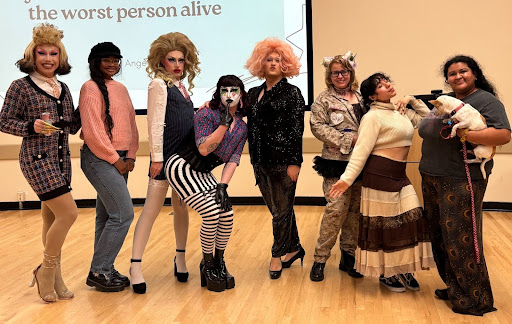
This year, the dedicated Community Outreach beat within the News section, led by editor Michelle Cisneros, has published outstanding coverage. Notable features include what it means for UCSB to be a Hispanic-Serving Institution, UCSB Indus’ celebration of the traditional Indian holiday Holi, the remarkable expansion of the Black Women’s Health Collaborative since their beginnings in 2020, and how UCSB’s Drag Club brings community to campus.
The Daily Nexus prides itself on accessibility. There is no application process or experience necessary to join as a writer; we invite any student that possesses an interest in journalism. With a 679-member community, the Nexus conducts outreach to involve as many students as possible, via promotional emails, social media campaigns, and tabling on campus. Through workshops and in-depth feedback on stories, students are able to gain knowledge about journalism, as well as how a newsroom operates. It is because of such an incredible team that the Nexus is able to print the weekly newspaper and publish daily online at dailynexus.com.

Dean of Students Office
Building Resilient Communities
Exciting New Initiatives & a Bittersweet Farewell
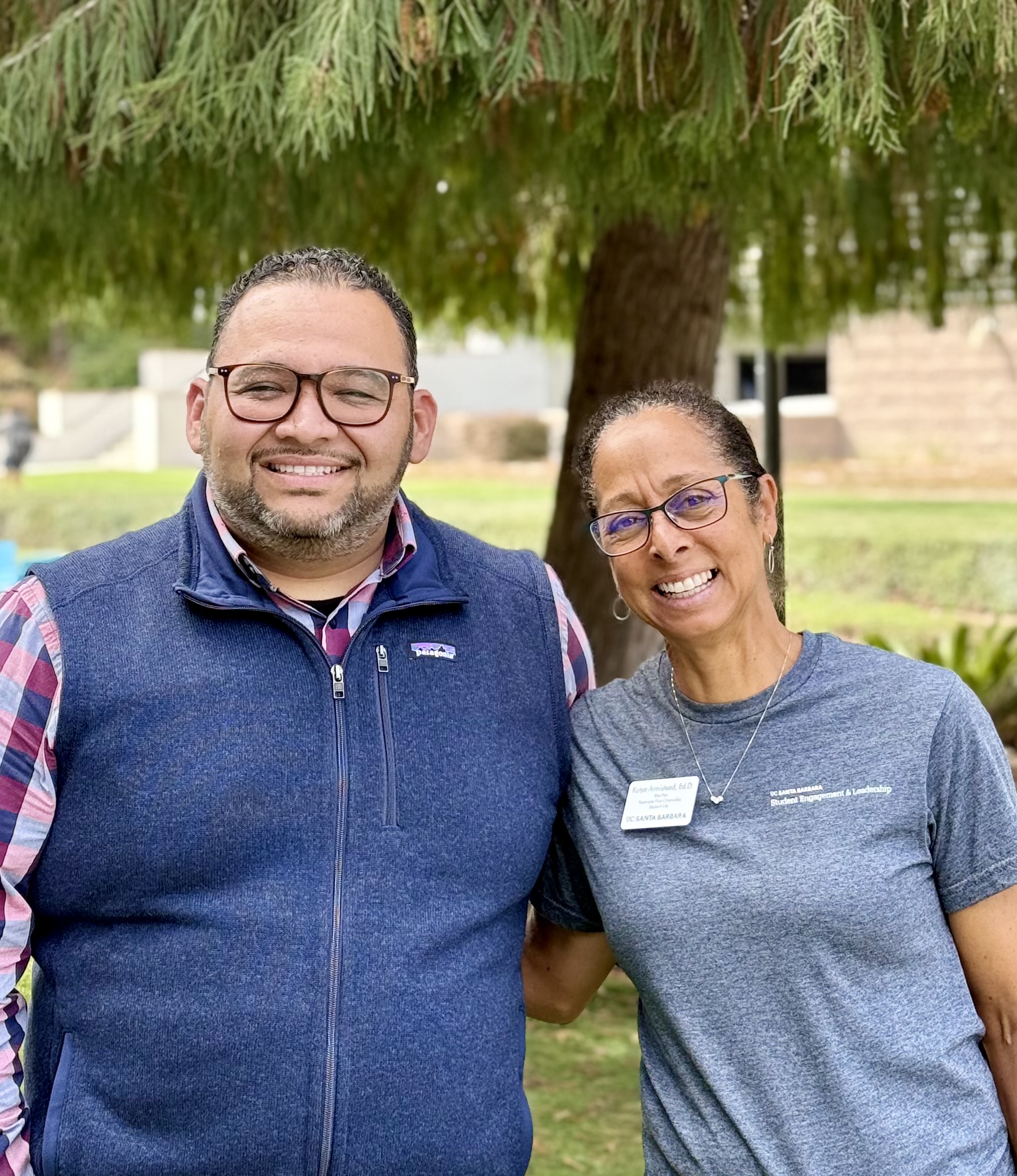
This year we started the year off by welcoming our new Dean of Student Life, Dr. Joaquin Becerra! Dean Joaquin has made building and sustaining resilient communities one of the hallmarks of his first year in this position. As we end the year, we also bid a bittersweet farewell to outgoing Associate Vice Chancellor and former Dean of Students Dr. Katya Armistead who spent her many years at UCSB tirelessly working to improve community engagement and campus climate.
- Cultural Resource Connection: seeing a gap in communication and shared vision, Dean Joaquin initiated a series of monthly meetings that bring together staff members from cultural centers and other inclusivity-centered spaces from across the University to collaborate and co-create programming and services to support our entire student body. This important initiative is allowing us to better understand and disseminate work around bias prevention and anti-discrimination, and increasing our view of the campus climate impacts on belonging.
- We are also working to strengthen relationships with one of our most important student populations: graduate students. Realizing that graduate students are often unaware of the services available to them through Student Affairs, we have started assigning staff members to attend GSA assembly meetings, holding regular meetings with the graduate division, and are excited to release resources tailored to graduate students to help them understand that we are here for them!
- The Restorative Justice Program continues to provide valuable spaces for conversations and learning across difference. The RJP collaborated with the Multi Cultural Center to host a series of listening sessions after the 2024 elections that facilitated space for sharing and expression. In addition to campus-wide programming, the RJP made tailored presentations to student affairs staff, peer educators, and student leaders; supported 6 interns; and recently hired a new full-time staff member!
- In February, UCSB hosted a UC Systemwide conference on Hazing Prevention. Our campus welcomed representatives from all 10 UC campuses, plus UCOP, and industry leaders in Hazing Prevention to host sessions on all aspects of hazing prevention from building capacity to implementing the changes required to be in compliance with the new federal Stop Campus Hazing Act. In winter quarter, our campus’ Hazing Prevention Coalition conducted a campus hazing survey that received over 700 responses. The information gathered from this survey will help inform our campus’ hazing prevention efforts over the coming years.
By the Numbers
Department of Recreation
Building Resilience through Personal Training
A Cross-Disciplinary & Cross-Campus Approach
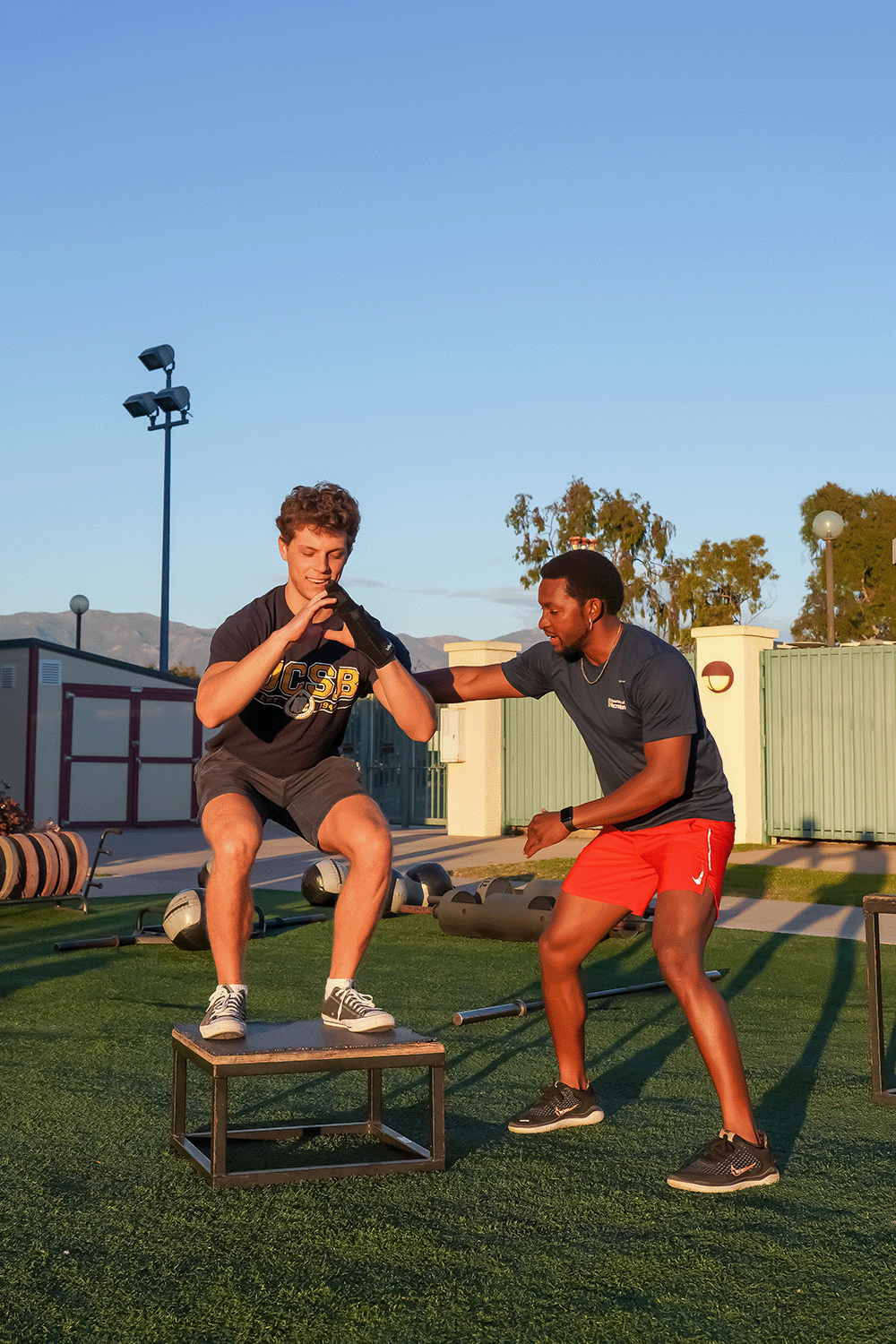
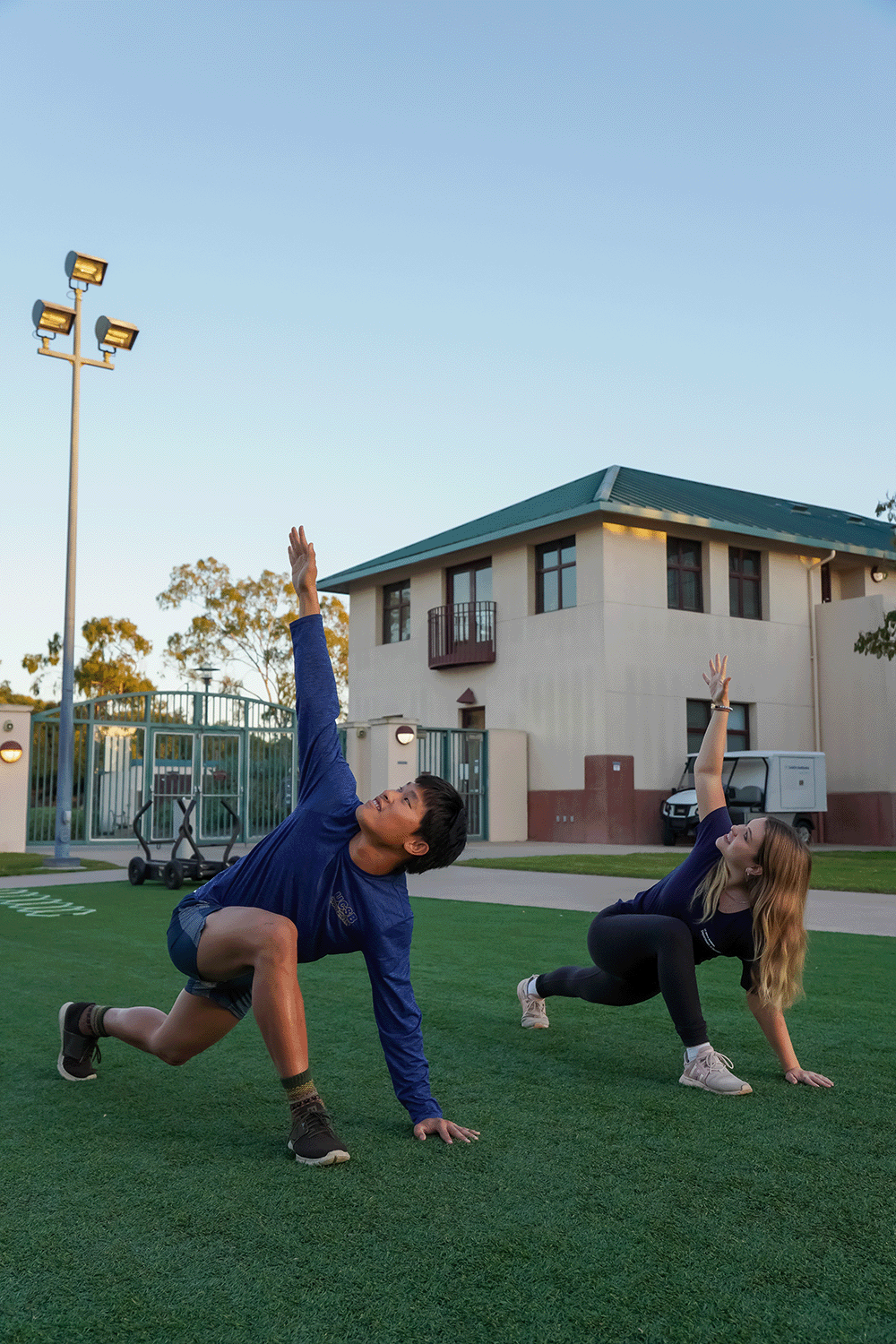
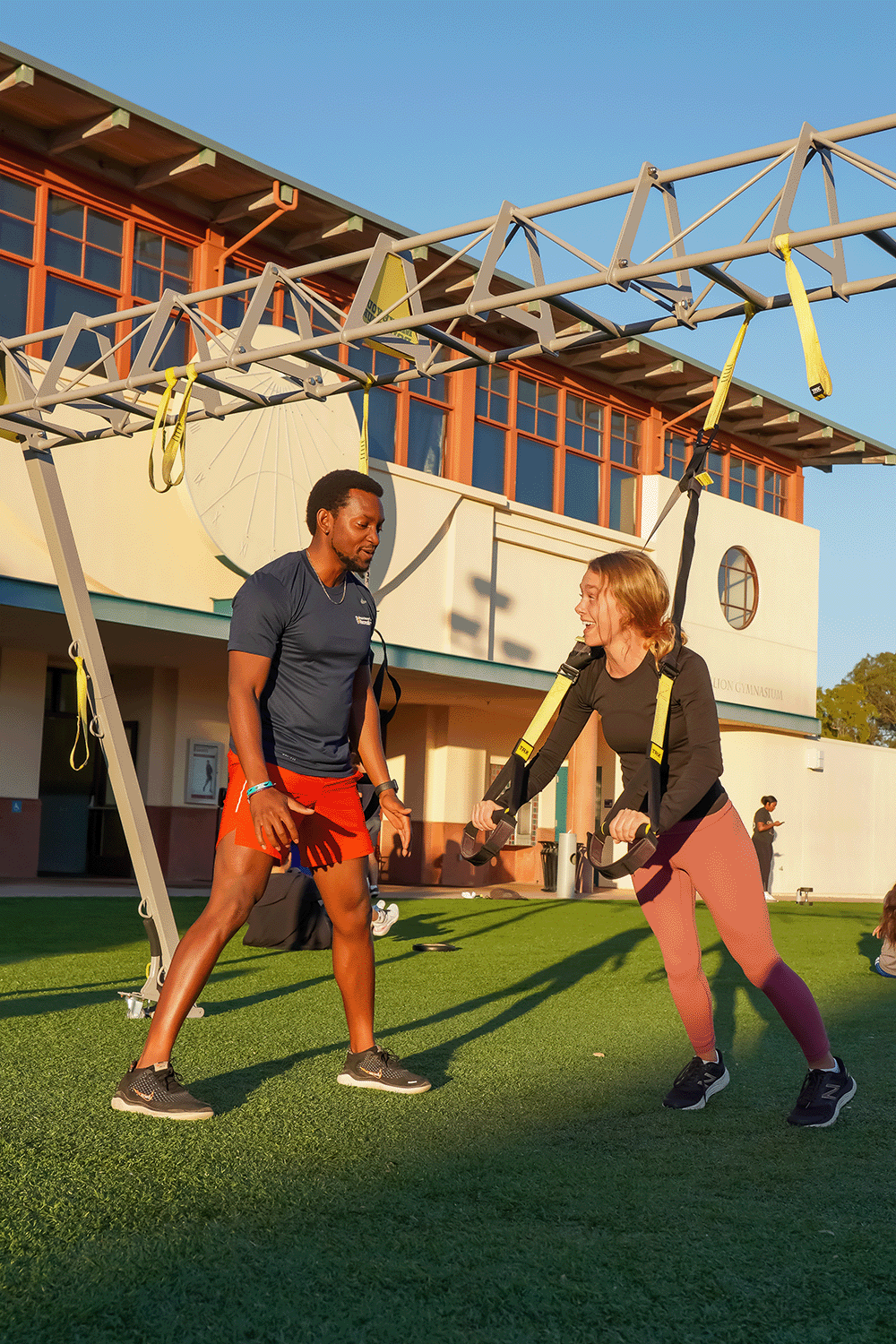
Rec, Set, Go! is a personal training program offered by the Department of Recreation designed to acclimate students who are unfamiliar with exercising in a gym environment and eliminate barriers to entry. Rec, Set, Go! pairs students with a nationally certified personal trainer and peer for two sessions. Session one is dedicated to touring the Rec Cen facilities and discussing goals. In Session two, the trainer creates and demonstrates a bespoke workout for the student's future reference, empowering them to continue exercising on their own.
Thanks to the generous support from the Equity in Mental Health Fund, Rec, Set, Go! is offered completely free to students who are referred by mental health professionals and health educators across UCSB, including from CAPS, CARE, Health & Wellness, RCSGD, and Student Health. Rec, Set, Go! trainers are equipped with tips and background information from our campus partners to better prepare themselves for working with the referred clients.
"The main idea I took away from training with our campus partners was the need for further cross-departmental communication and integration. The ability to work with CAPS in such a valuable manner lead me to conclude that with additional support and integration, UCSB can offer support services that pioneer innovative methods," recalls UCSB Senior and Personal Trainer, Maximillian Levin. "The training helped me realize the complex difficulties facing individuals in entering specific spaces, emphasizing the need for additional support and streamlining in assisting people with their respective health and wellness."
Through this collaboration, Recreation aims to offer supplemental and cross-disciplinary support for students’ mental health. While Rec Set Go! is not meant to be a substitute for a skilled practitioner's treatment, the program can complement their work. Colleen Welsh, PT, DPT, Recreation’s WorkStrong & Wellness Coordinator and creator of Rec, Set, Go! explains, "Exercise--all kinds, but there is robust evidence for resistive exercise--can boost mood and cognition, as well as cultivate resilience. Moreover, Rec, Set, Go! is one among many opportunities within UCSB Department of Recreation that foster community systems of healing."
This is our first year offering this program and we hope that it will continue to help build resilience and be a useful tool in students’ journeys.

By the Numbers
There is robust evidence [that] resistive exercise can boost mood and cognition, as well as cultivate resilience.
Colleen Welsh, PT, DPT
Recreation’s WorkStrong & Wellness Coordinator
Creator of Rec, Set, Go!
Disabled Students Program
Overcoming Barriers:
DSP’s Stories of Resilience

By the Numbers
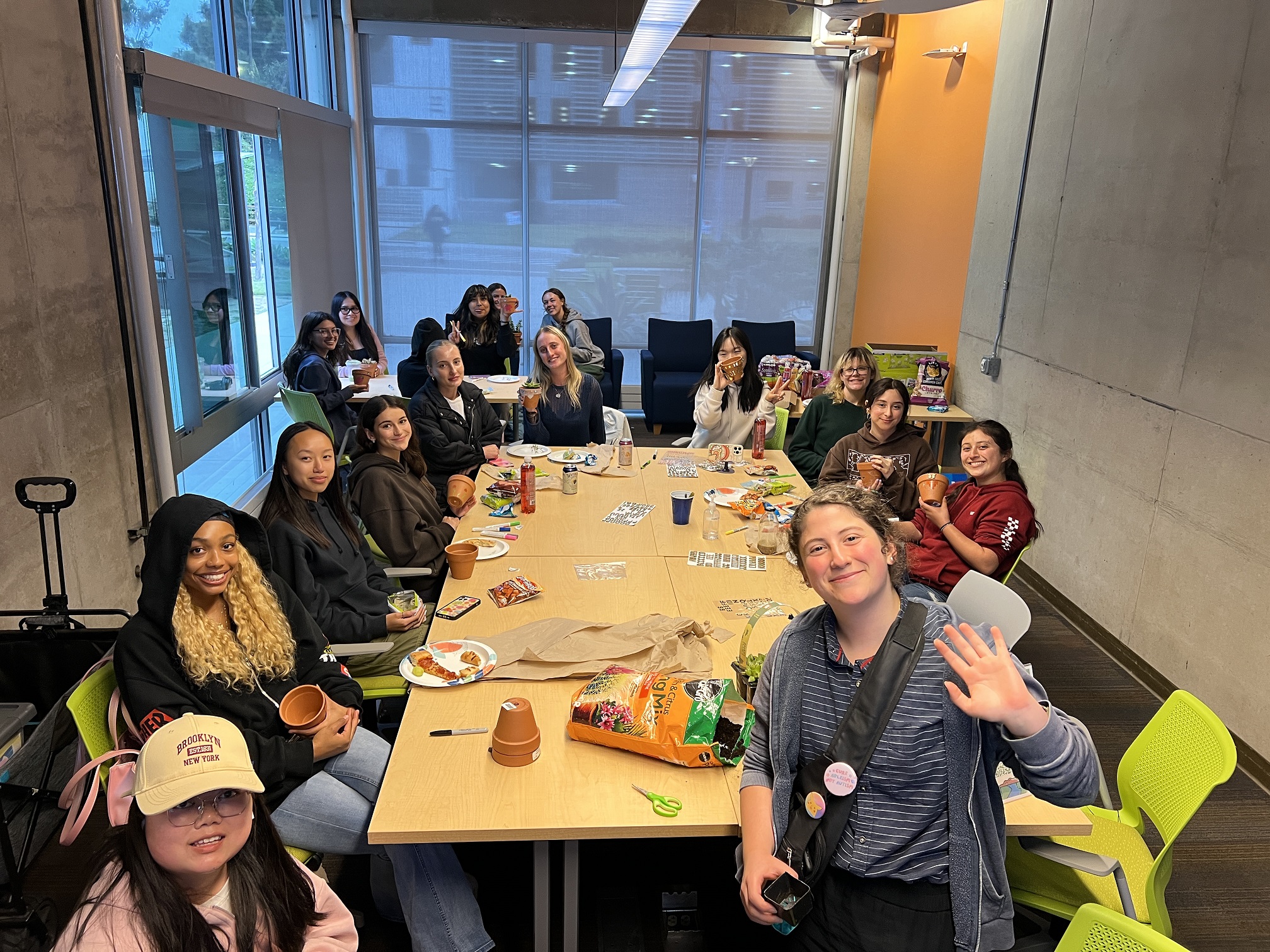
I've loved the study nights hosted by DSP. It's so important to see academic success and disability go hand in hand - 4th Year Student
I deeply appreciate the kindness, patience, and thoughtfulness you have shown me in all of our interactions. - 3rd Year Biology Major
I love these events they’re very relaxing and being able to have a snack is a lifesaver when I’m studying in the evening and I’ve had an early lunch. - Sofi, 4th year student
I wouldn’t have been able to take classes and finish college without you and the whole DSP program. Thank you again for everything! - Graduating Pharmacology Major
In February 2024, the UC Systemwide Advisory Workgroup on Students with Disabilities published a set of guidelines and recommendations aimed at enhancing support for students with disabilities across the UC System. In alignment with these guidelines, the Disabled Students Program (DSP) has prioritized four key areas to promote an inclusive learning environment and address institutional barriers:
Fostering Community Through Academic Support and Celebrating Success
DSP aims to encourage student success and foster a supportive community through a variety of academic resources and recognition initiatives. The DSP Peer Program bolsters student success via study sessions, CLAS academic skills workshops, and group tutoring. In addition to designating individual and group study areas, the program has incorporated an allergy-friendly, quiet study room to ensure students feel welcome and supported. The program was recognized during the March 2025 UC Board of Regents Meeting as a key example of building community and support within the UC System. Additionally, DSP celebrates student achievement through the annual selection of distinguished recipients for the Lady Ridley-Tree Scholarship and our end-of-year graduation celebration which acknowledges DSP students, faculty, and staff nominated by the broader campus community.
Inclusion and Belonging
The DSP Peer Program cultivates a sense of belonging by providing mentorship and social support to students. Programming typically involves sharing meals, student-initiated activities, and programming in collaboration with other departments. Additionally, DSP staff have actively fostered campus inclusion and engagement via outreach efforts with our partners in Orientation Program, the Freshman Summer Start Program (FSSP), Campus Housing, UCSB Open House, Transfer Edge, and collaborations with Academic Affairs, including English, Writing, Classics, Physics, MCDB, Bridge to Stem, Compass Program, and the College of Engineering INSPIRE program.
Physical and Technology Infrastructure
In accordance with the principles of universal access, DSP has secured funding for an Accessible Furniture Program, which is in the process of equipping all general assignment classrooms with accessible furniture. Additionally, we have developed an asset management system, introduced new accessibility tools such as JamWorks, and collaborated on establishing a pilot Computer-based Testing Facility.
Accountability
DSP continuously assesses program effectiveness and student outcomes through latency tracking, which measures the time between a student’s application submission and their first appointment with our staff. As a result of increased staffing support, the latency period has decreased from 7.3 days in Fall Quarter to 5.3 days in Winter Quarter for a first appointment. To further enhance accessibility, specialists now hold rotating on-call hours during regular business hours. This allows any student to come into the DSP office, without an appointment, and be seen immediately. DSP remains committed to expanding staff availability, facilitating meaningful student interactions, reducing wait times, and strengthening outreach efforts across campus. These efforts are already showing results: historical data reveals that the number of students who hadn't completed an initial meeting with their specialist dropped from a peak of 722 in the 2021–22 academic year to just 383 in 2024–25.
Conclusion
As we reflect on the progress made across these four key areas, we are inspired by the resilience and achievements of our students, the dedication of our staff, and the power of cross-campus collaboration. The Disabled Students Program remains steadfast in its commitment to removing barriers, fostering inclusion, and ensuring every student has the opportunity to thrive. Guided by UC-wide recommendations and fueled by campus-wide support, we look forward to building on this momentum in the years ahead.
Early Academic Outreach Program
EAOP Outreach Interns Making an Impact
Reaching Students from Elementary to Community College
Our goal is for our student employees to leave us with skills they can utilize in the field of their choice. These include public speaking skills, accountability, coordination and planning, attention to detail, teamwork, and the ability to work independently.
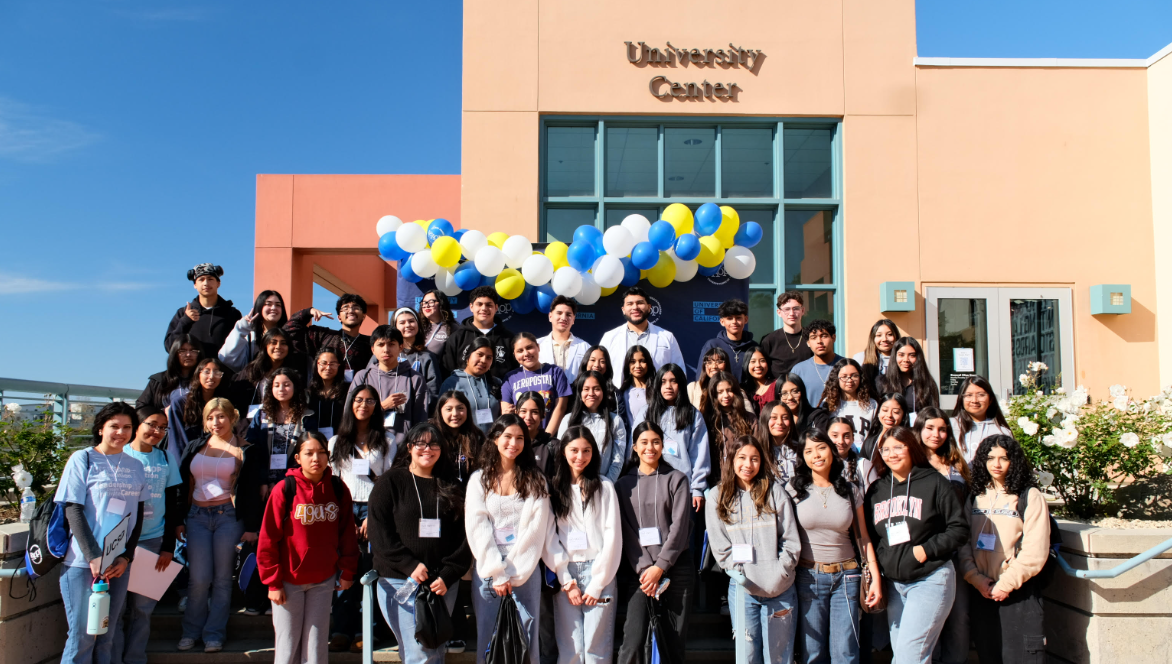
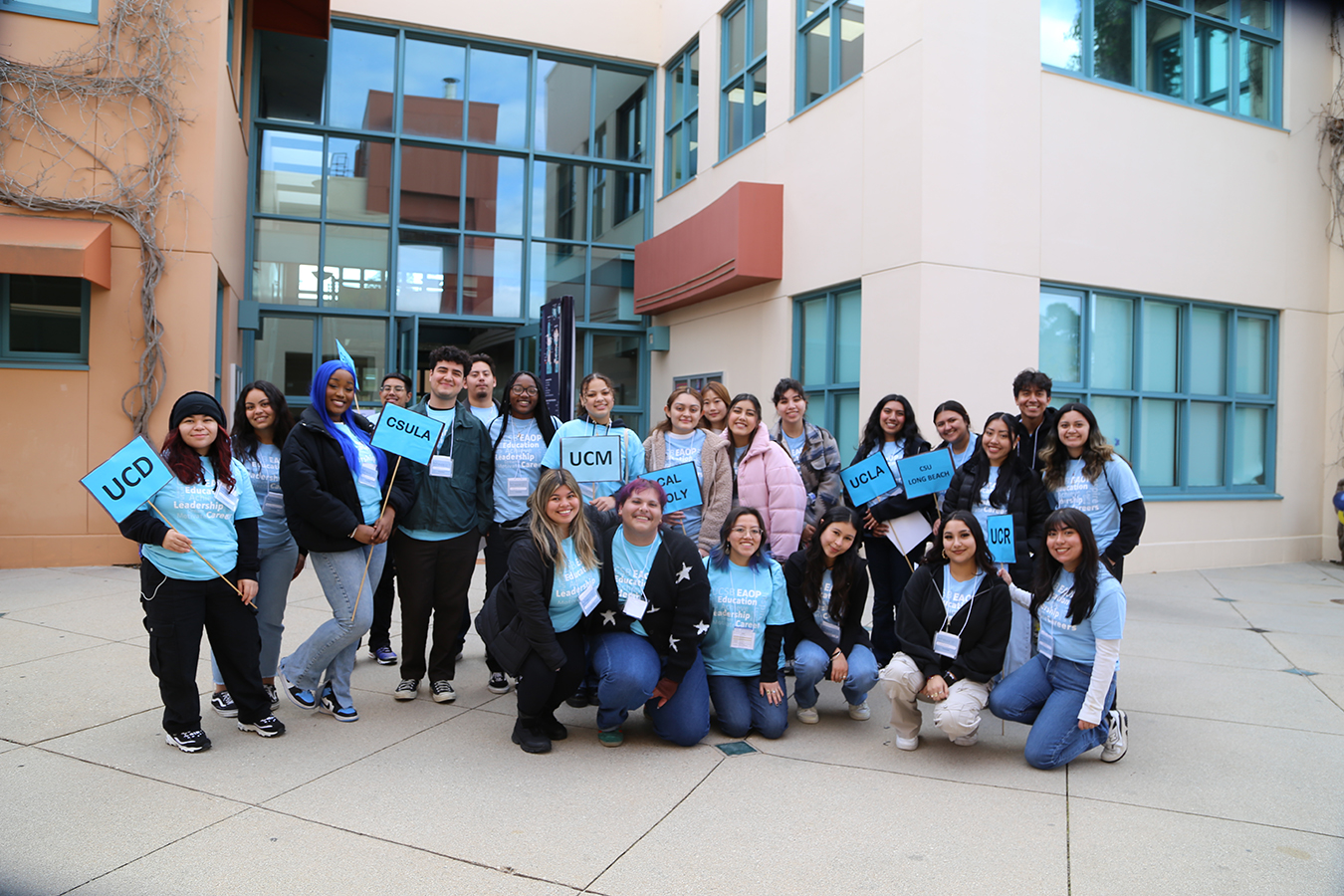
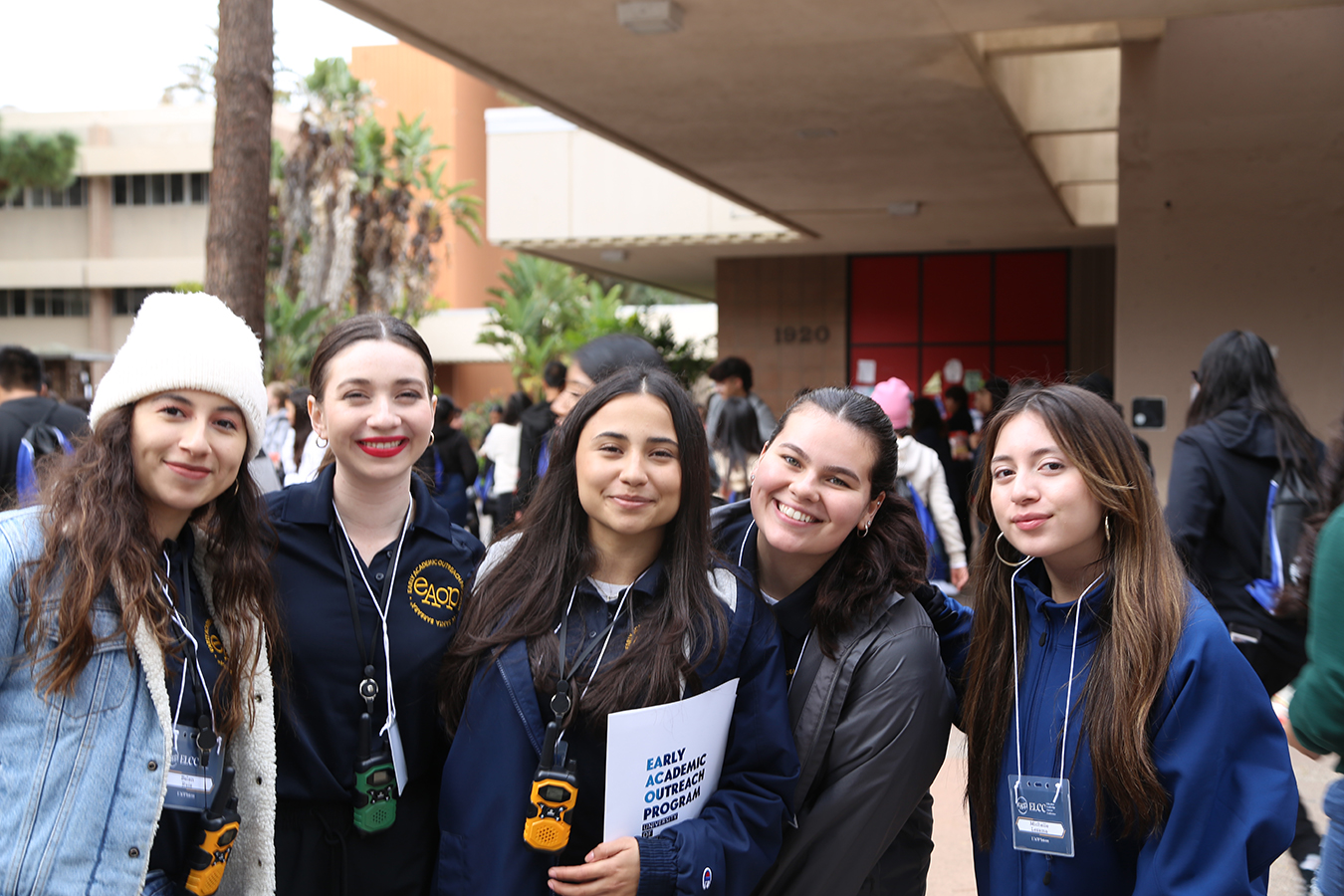
For over 15 years, EAOP’s Outreach Intern Team has been instrumental in assisting with the coordination and execution of large-scale events, annual accountability reporting, and coordination of EAOP-hosted campus tours.
Our campus tours run from two to up to six hours! Over the years, they have led the planning of hundreds of tours for thousands of students from elementary to community college. Each tour is customized to the group's needs. The team is responsible for communicating with teachers, counselors, principals, precollege staff, and, on occasion, district superintendents. At UCSB, they reach out to students, staff, faculty, researchers, and lab managers. They are also responsible for recruiting volunteers for all events.
The Education Leadership and Career Conference, Parent University Conference, UC Success Nights, and College Readiness Academies are EAOP’s largest-scale annual events. ELCC has been our biggest single-day event, with as many as 375 participants and 24 speakers. The parent conference was runner-up at 325 in 2023.
Without our intern team, the success of these events would not be possible. They prepare all the materials and recruit for and lead volunteer orientations. Most importantly, during all events, they can independently troubleshoot issues and make decisions.
Another aspect in which the team is critically important is assisting in completing our annual accountability report for the UC Office of the President. They are responsible for maintaining enrollment documentation for over 10,000 program participants and 1,500 EAOP cohort students at our partnership schools. They track over 2,500 services EAOP professional staff provides and match them up with the students who receive them. They are essential in creating monthly summary reports shared with the Program Director, school district leadership, and campus partners.
By the Numbers
Early Childhood Care & Education Services
Child Care Subsidies
A Lifeline for UCSB Families
Students who are parents of young children face unique barriers to achieving academic success and eventually graduating. The cost of high-quality child care is an obstacle for many families, especially students. The child care available to families at the Orfalea Family Children’s Center and the University Children’s Center greatly alleviates the stress that those students experience.
UCSB student families receive a reduced childcare tuition rate at both of our centers. All students pay mandatory fees, including lock-in fees, that help subsidize childcare tuition for student families. The University Children’s Center Support Fee of $3.00 per undergraduate and graduate student per quarter contributes to funding for the Early Childhood Care and Education Services.
ECCES reserves a number of subsidized spaces for families who meet need and income eligibility requirements set by the California Department of Education (CDE) and CDSS (California Department of Social Services). Income eligibility is based on family size and a family's total monthly gross income. Subsidized applications are placed on the eligibility wait list according to the State Department of Education Income Rankings. Families with the lowest income and greater need are first on the waitlist regardless of the date they applied. With the subsidy, fees are assessed on a sliding scale based on the size of the family and monthly gross income.
The Chancellor’s Child Care Scholarship Fund also supports income eligible UCSB student families with tuition subsidies. The fund provides $10,000 to be split among eligible families. Applications are available year-round. Continuing families need to reapply each September. In addition, the William and Lottie Daniel Fund Child Care Scholarship is available for student parents who are working and earn too much for CDE and CDSS assistance. The program has focused on distributing the $19, 800 among eligible families with infants through this fund, since infant families pay the highest tuition.
The Children’s Centers are committed to striving for the highest possible standards in early care and education programs, and in doing so, supporting the children, families, and students at UCSB. When student parents are confident that their children’s needs are met, they are more able to focus on their studies.

By the Numbers
As a PhD student with two young children, I can confidently say that I owe much of my academic journey to the UCSB Children's Centers. Raising children during a PhD program is incredibly challenging especially for international student like me who don't have family nearby for support. The care, love and professionalism of the entire team have made a big impact on our lives and we are deeply grateful.-PhD student and parent of an infant and preschooler.
The UCSB Children's Centers have been essential to my academic journey, providing a reliable and nurturing environment for my child while I focus on my studies. Having my child at the Center has given me peace of mind and removed significant time constraint and financial barriers, such that have helped in managing my schedule allowing me to fully engage in my coursework and academic responsibilities. The support and care from the Children's Centers have made a profound difference for both my family and my success at UCSB. PhD Student and toddler parent.

Health & Wellness
Stories of Resilience
Empowering Students Through Mindful-Self Compassion
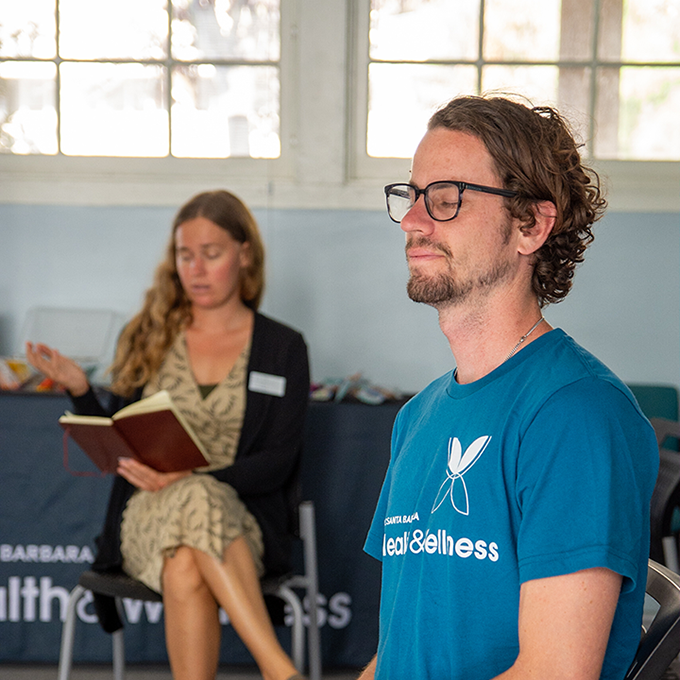
In today's fast-paced academic environment, students face a multitude of challenges that often impact their mental health and academic performance. Recognizing these barriers, our Mindful-Self Compassion (MSC) class has become a vital resource, fostering resilience through experiential learning that equips students with lifelong tools for well-being.
The MSC is designed to help students navigate the pressures of academic life by cultivating mindfulness and self-compassion. These practices allow students to embrace their struggles with kindness rather than self-criticism. By integrating mental health strategies directly into their academic journey, students learn to address stress, anxiety, and self-doubt, transforming obstacles into opportunities for growth.
This class is more than theory - it's an experiential journey where students engage in guided meditation, reflective exercises, and group discussions. Though these activities, they develop practical skills to stay grounded and resilient amid academic demands. Students report feeling more equipped to handle setbacks, improve concentration, and maintain motivation, both in their studies and personal lives.
One student shared, "I am so beyond excited to be learning about this in school and it's truly helping me feel at home here."
The course also cultivates interpersonal skills through group discussions and collaborative research projects. Students present findings and advocate for campus wellness interventions, sharing accessible insights with peers, faculty, and staff. Their work involves conducting literature reviews, collecting and analyzing data, and reporting results with thoughtful recommendations - preparing them for be wellness leaders on campus and beyond.
As we reflect on stories of resilience this year, the Mindful-Self Compassion class is a testament to the transformative power of kindness and mindfulness. It reminds us that when students are supported in nurturing their mental health, they not only survive academic pressures - they thrive.
MultiCultural Center
Community Resilience
MCC’s Approach to Holistic Safety and Collective Empowerment
For the 2024-2025 academic year, the MultiCultural Center (MCC) introduced the Holistic Safety Plan (HSP) to address the evolving needs of our campus community. The HSP is both a process and a framework that integrates restorative justice, trauma-informed care, and disability justice into the MCC’s operations, programming, and community engagement. It provides a structured approach to fostering safety, empowerment, and healing, ensuring the MCC’s work remains responsive to the needs of BIPOC, LGBTQA+, and other marginalized communities. In response to campus climate issues and community feedback, the MCC team has engaged in ongoing discussions, reflective exercises, and action planning since summer 2024 to bring this vision to life.
The MCC’s efforts are grounded in the resilience of the individuals involved. The development and implementation of the HSP has been shaped not just by the MCC team, but by the unwavering strength of the campus community. Students, staff, and faculty have shown remarkable perseverance in navigating these turbulent times, and through their engagement, we have created opportunities for meaningful participation. Bi-quarterly HSP community meetings, shared meals, and other offerings have allowed community members to come together, demonstrate their resilience, and collaborate toward solutions.
For example, our Winter Quarter Community Forum, which brought together over 90 attendees, showcased the power of resilience in action. Participants shared ideas, offered solutions, and worked collaboratively to navigate the difficulties students are facing today. The weekly A Ki to be Free series, which serves as a space for processing the feedback gathered during the Community Forum, has also served as a space for resilience — providing an outlet for individuals to process experiences and contribute to the formation of actionable plans through working committees.
Other efforts have included several key events focused on the core frameworks of the HSP, such as Unlearning Academic Ableism (52 attendees), and a forthcoming restorative and racial justice event with Fania Davis. These events, alongside others like Self-Expression in Community: Trauma-Informed Care at UCSB and PLAN B: An Ethnic & Feminist Studies Post-Election Processing Space, were intentionally created to foster community healing, give back to those in need, and provide spaces where individuals could address personal and collective challenges. These events demonstrate the MCC’s commitment to supporting students’ well-being and resilience in the face of hardship.
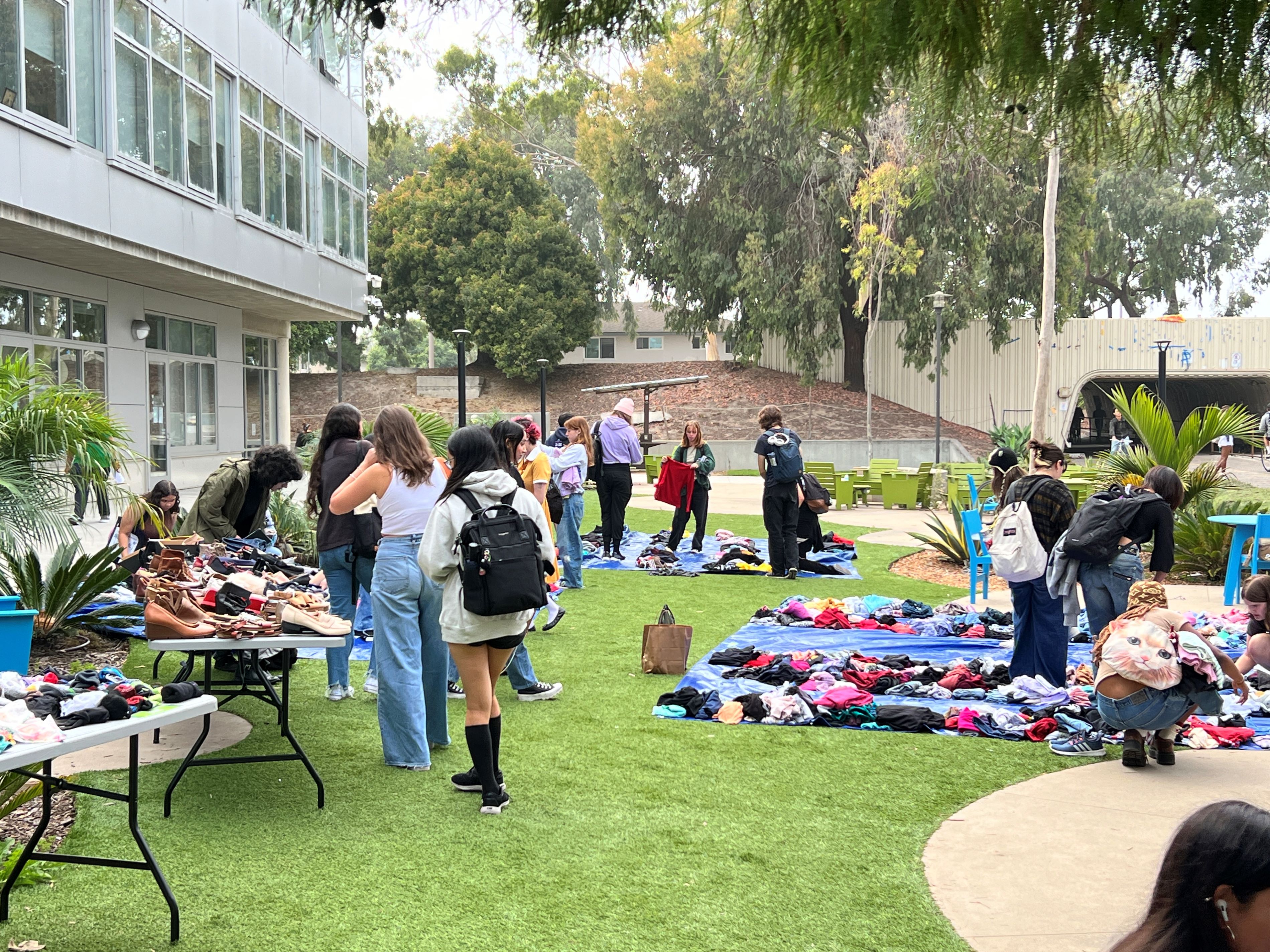
Our collaboration with organizations like Food Not Bombs and the 3rd Annual Black Flea Market have also enabled the MCC to allocate student fees to meet immediate needs, providing meals, basic necessities, and strengthening connections across the campus.
The MCC’s commitment to creating a safer, more inclusive campus is grounded in the belief that resilience is key to lasting change. The Holistic Safety Plan provides the structure and tools to transform community feedback into actionable change, ensuring that the MCC is not just responding to challenges but building a long-term model for healing, empowerment, and equity. Through continued engagement, collaboration, and a shared commitment to restorative justice, trauma-informed care, and disability justice, we are laying the foundation for a stronger, more inclusive future—one where empowerment and healing remain at the core of our work.

Non-Traditional Student Resource Center
Using Research to Inform Advocacy
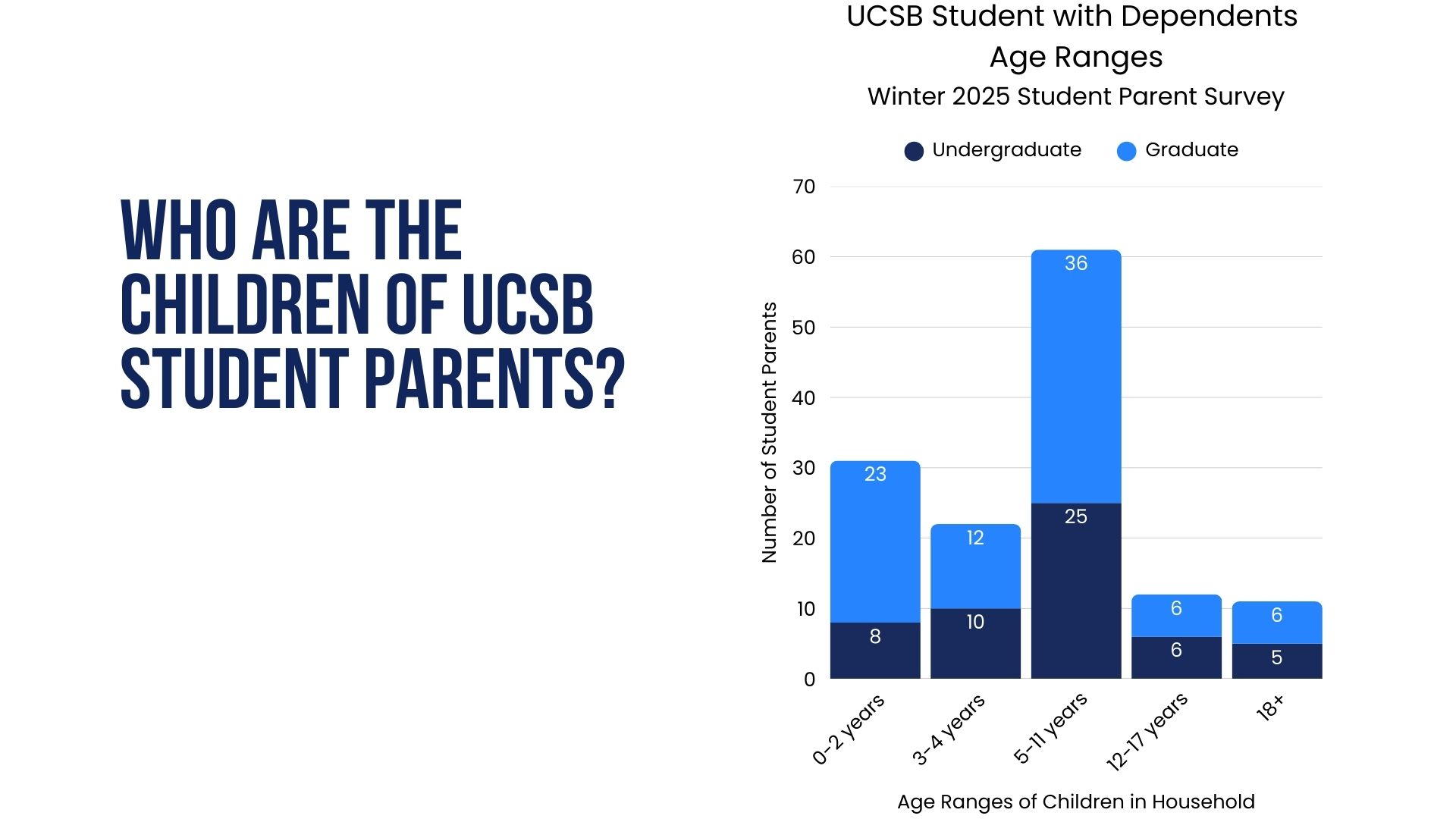
Collecting Data on UCSB's Students with Children
The Non-Traditional Student Resource Center (NTSRC) is proud to reflect on a year of growth, advocacy, and deeper engagement with the parenting student community. Our mission to support student parents in balancing academic success with family responsibilities remains at the core of all we do.
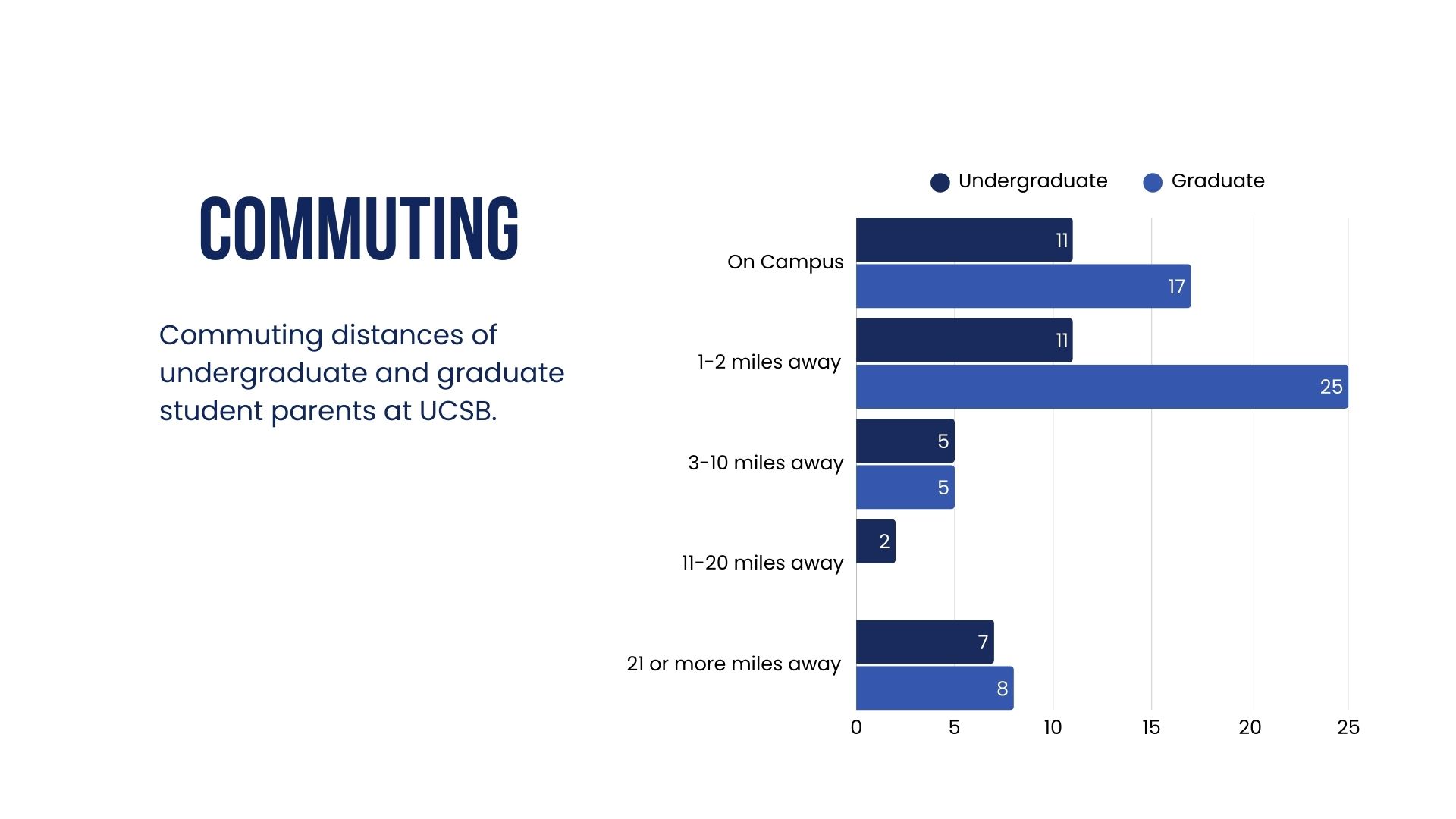
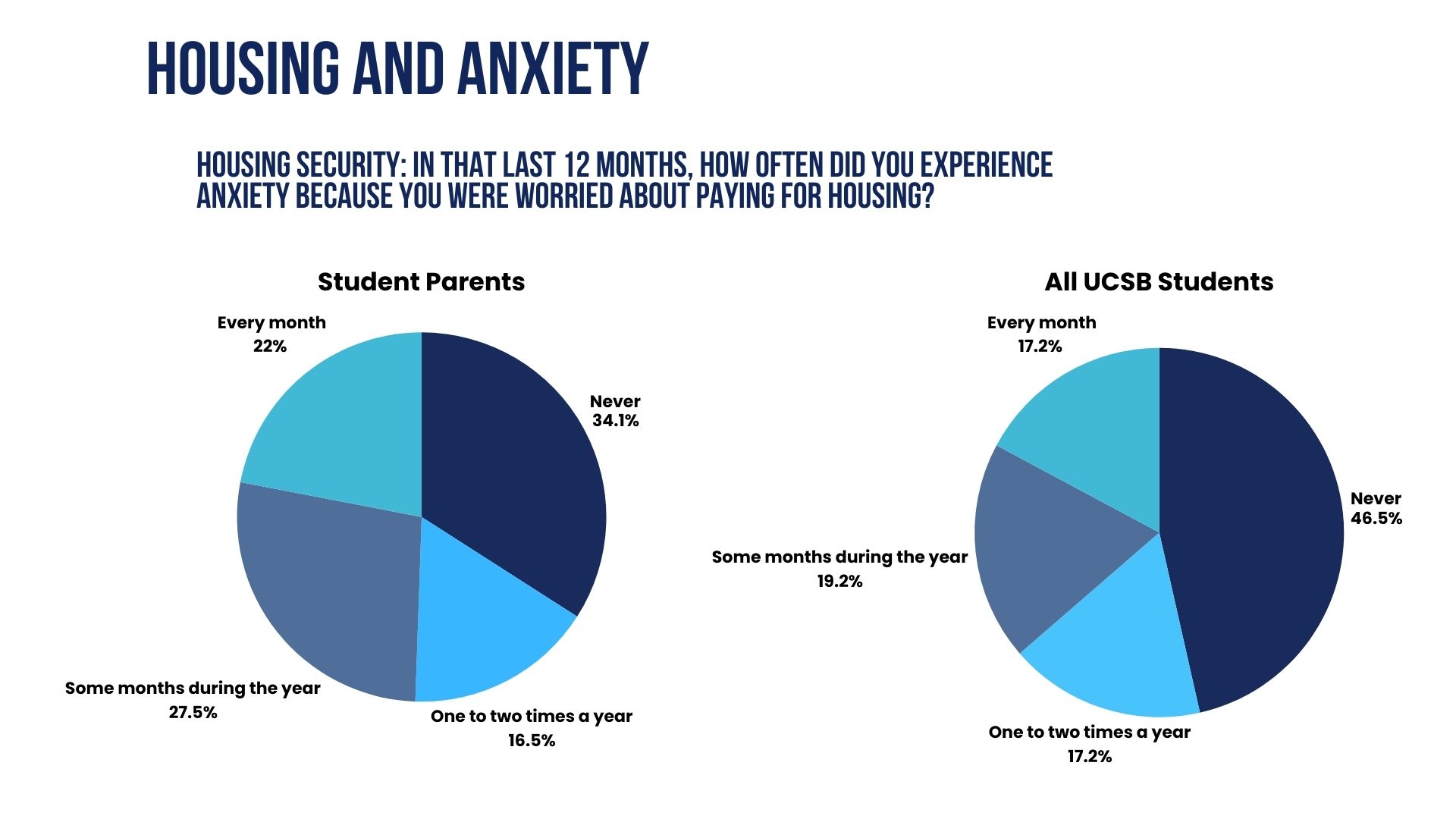
One of our most significant accomplishments in the year was the successful design and administration of a university-wide survey focused specifically on students with children. Reaching nearly 100 parenting students across diverse departments and backgrounds, the survey provided critical insight into the unique challenges and needs facing this population. The data collected are now guiding the development of new programming, influencing institutional conversations around family-friendly policy, and bringing increased visibility to the voices of student-parents on campus.
The NTSRC continued to provide drop-in advising, resource referrals, and a dedicated lounge space equipped with child-friendly furnishings and a study area. These services remain essential to our mission of making higher education more accessible and inclusive for students with caregiving responsibilities.
As we look to the future, we aim to use the findings from our survey to advocate for increased family-friendly policies across campus. We remain committed to uplifting the voices of parenting students and ensuring they are recognized as an integral part of our campus community.
Office of Black Student Development
Breaking Barriers and Building Belonging
Programming Highlights 2024-2025
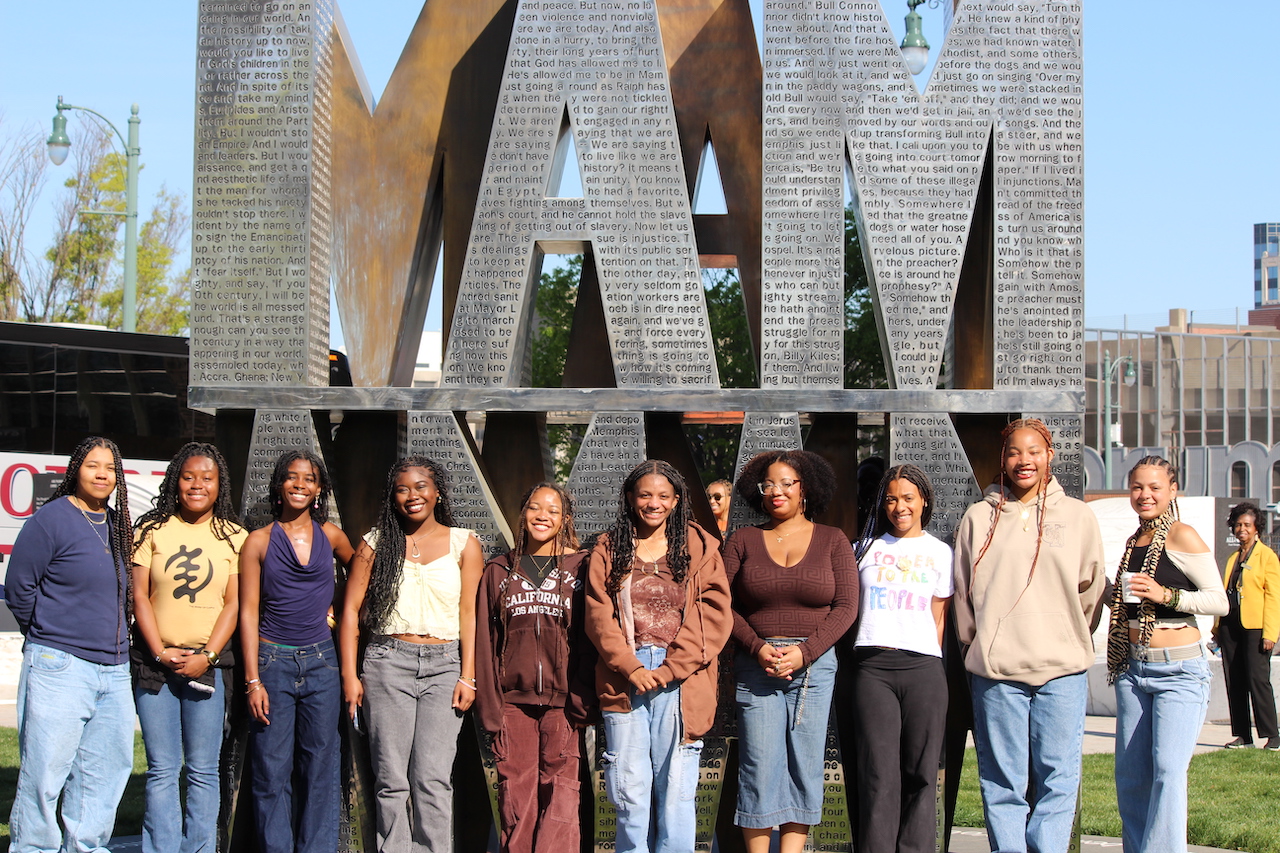
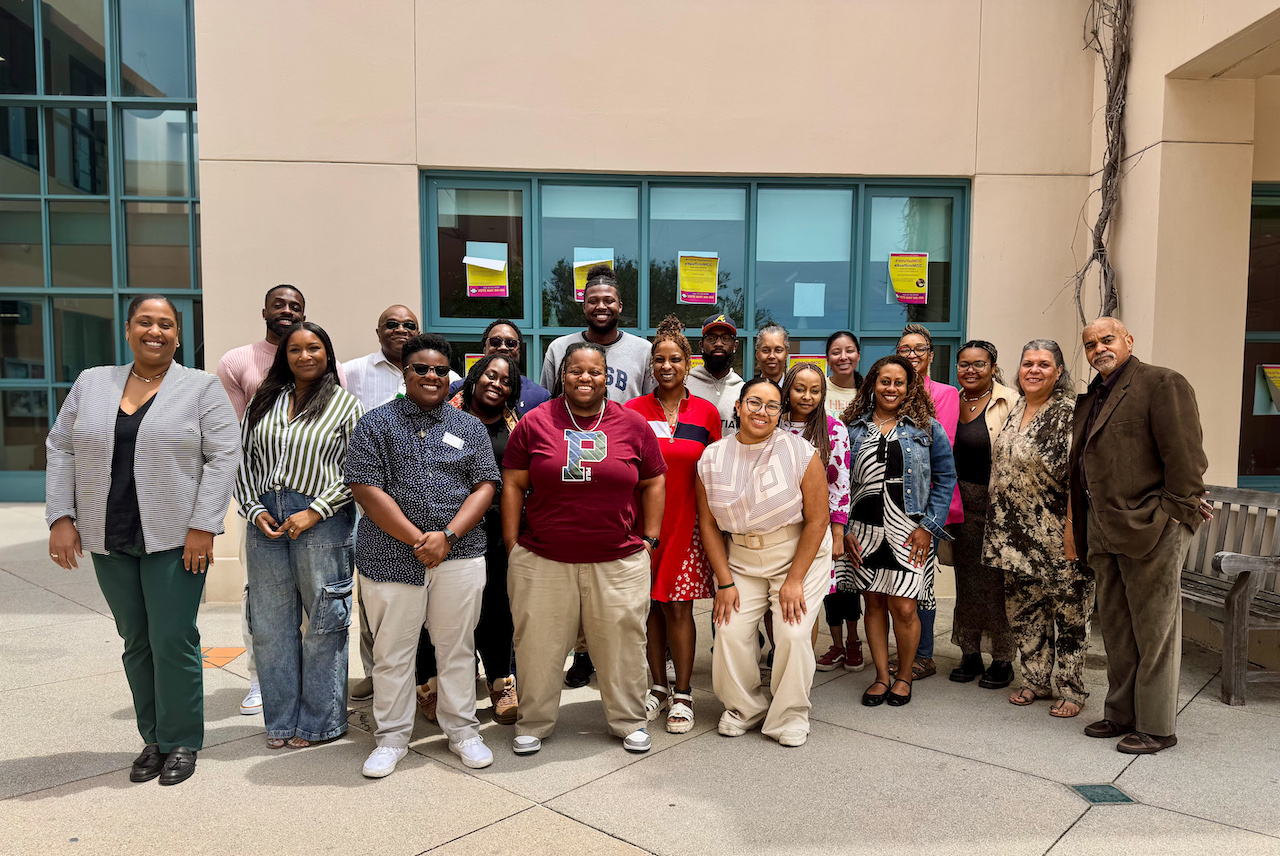
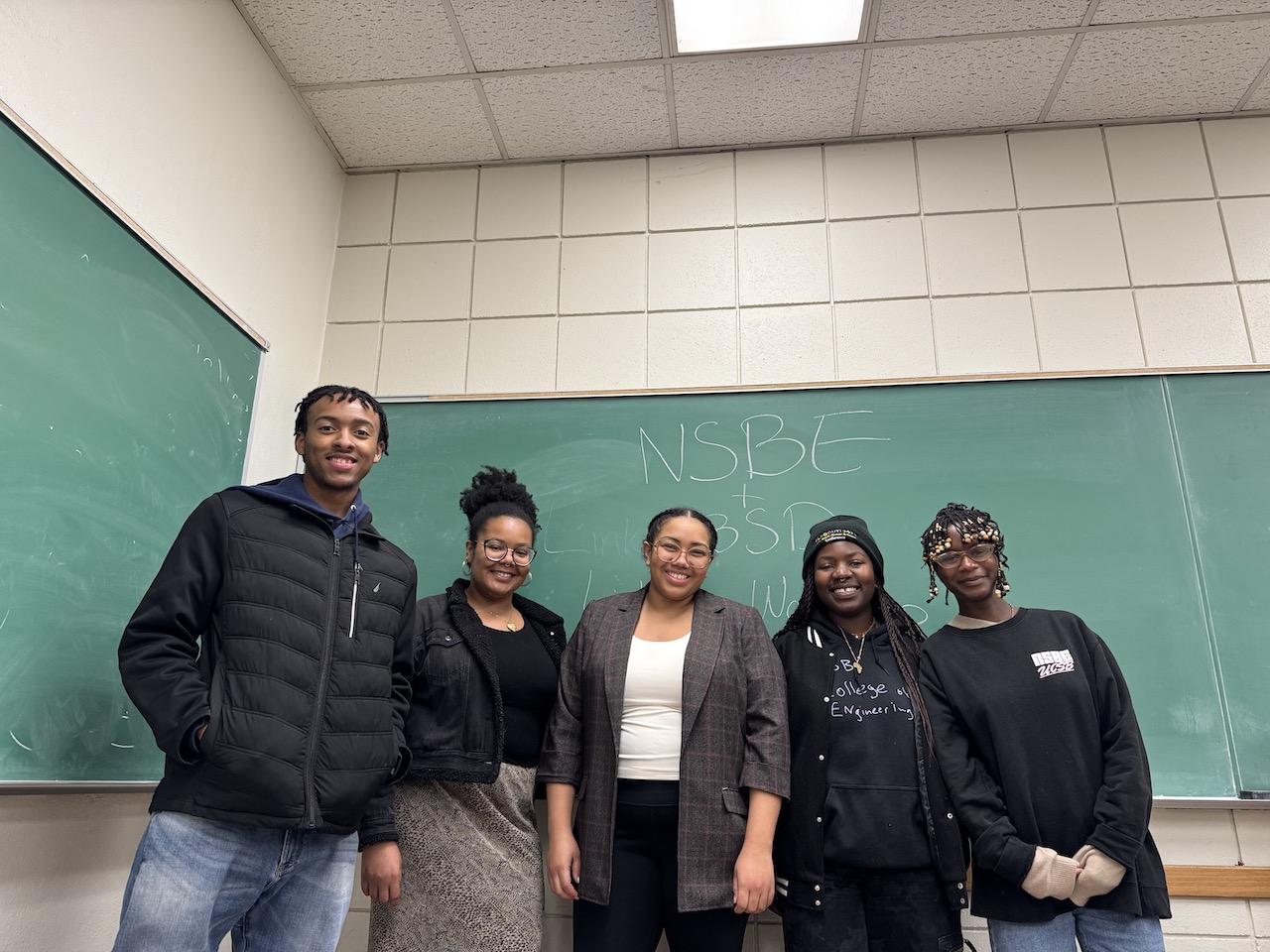
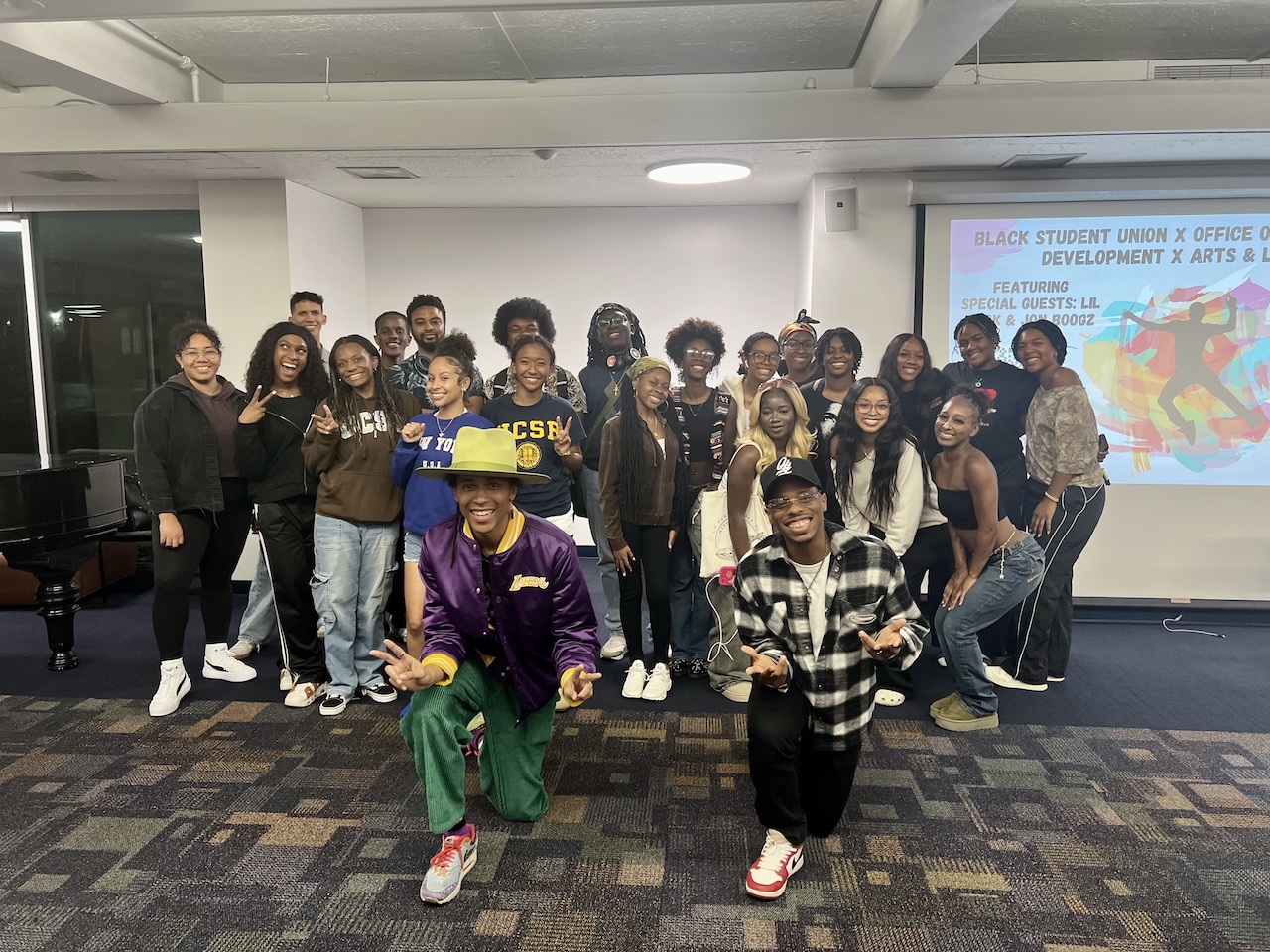
The Office of Black Student Development (OBSD) is dedicated to supporting the holistic needs of UCSB’s Black undergraduate and graduate student population. Our work is grounded in four core principles: Advocacy, Academic Achievement, Recruitment & Retention, and Holistic Support. During the 2024–2025 academic year, OBSD hosted 85 events and served 1,918 students across programs and initiatives. Led by our small team of professional and student staff, these programs provide affirming spaces for students to build relationships and access resources, further strengthening belonging and achievement on campus.
Program Highlights
Vision Fellowship
This year marked the 4th annual Vision Fellowship, OBSD’s signature scholarship program supporting UCSB undergraduate students’ passion projects in research, media and arts, community wellness, and athletics. The 2024–2025 Vision Fellowship cohort brought their passions to life through four impactful projects: Layers and Community Composition Workshop, a senior music recital; The Loneliness Project, a curated artwork gallery from adopted and foster students; Oasis of Resilience, a restorative mental health retreat; and Crown Collective, a pop-up beauty supply providing culturally specific hair care resources. Each project left a lasting mark on both the UCSB campus and the wider community.
Black Heritage Cultural Experience
In collaboration with CAPS, the 3rd annual Black Heritage Cultural Experience took students on a 10-day journey through the American South to explore pivotal chapters of Black history. By visiting historic spaces and meeting community leaders, students gained a deeper cultural understanding and a stronger commitment to advocacy and justice.
Snapshot of the Black Student Experience
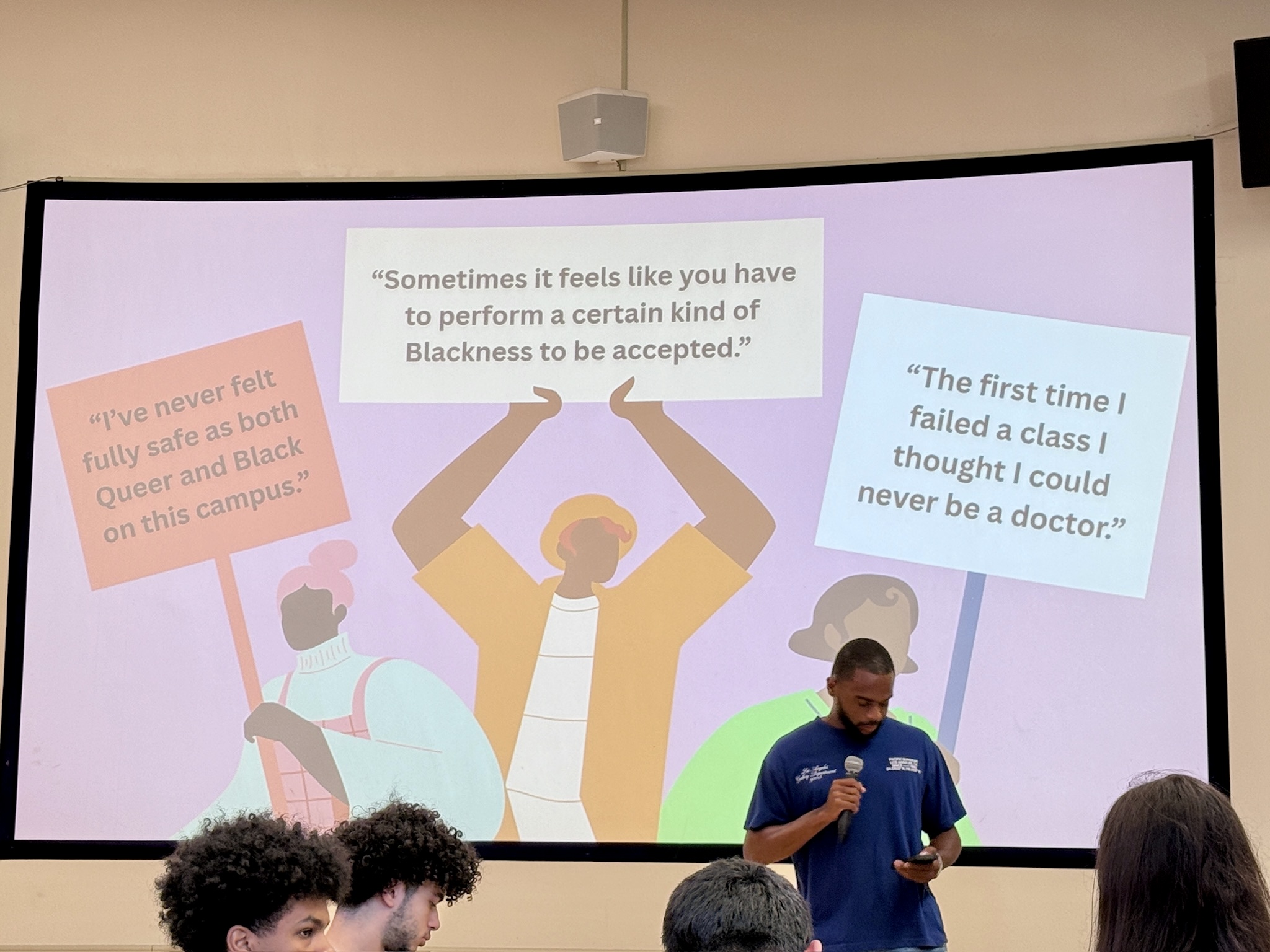
To better understand student needs, OBSD conducted a Photovoice study, a participatory research method where students documented lived experiences through photographs. Findings revealed key themes: the importance of building one’s own community; the pressure to lead and represent; feelings of isolation when navigating intersectional identities; and strong resilience and self-motivation, often in the face of insufficient institutional support. These insights will directly inform OBSD’s future programming to ensure our work remains responsive and data-driven.
Through these efforts, OBSD continues to dismantle barriers and build a thriving, connected, and empowered Black student community at UCSB.



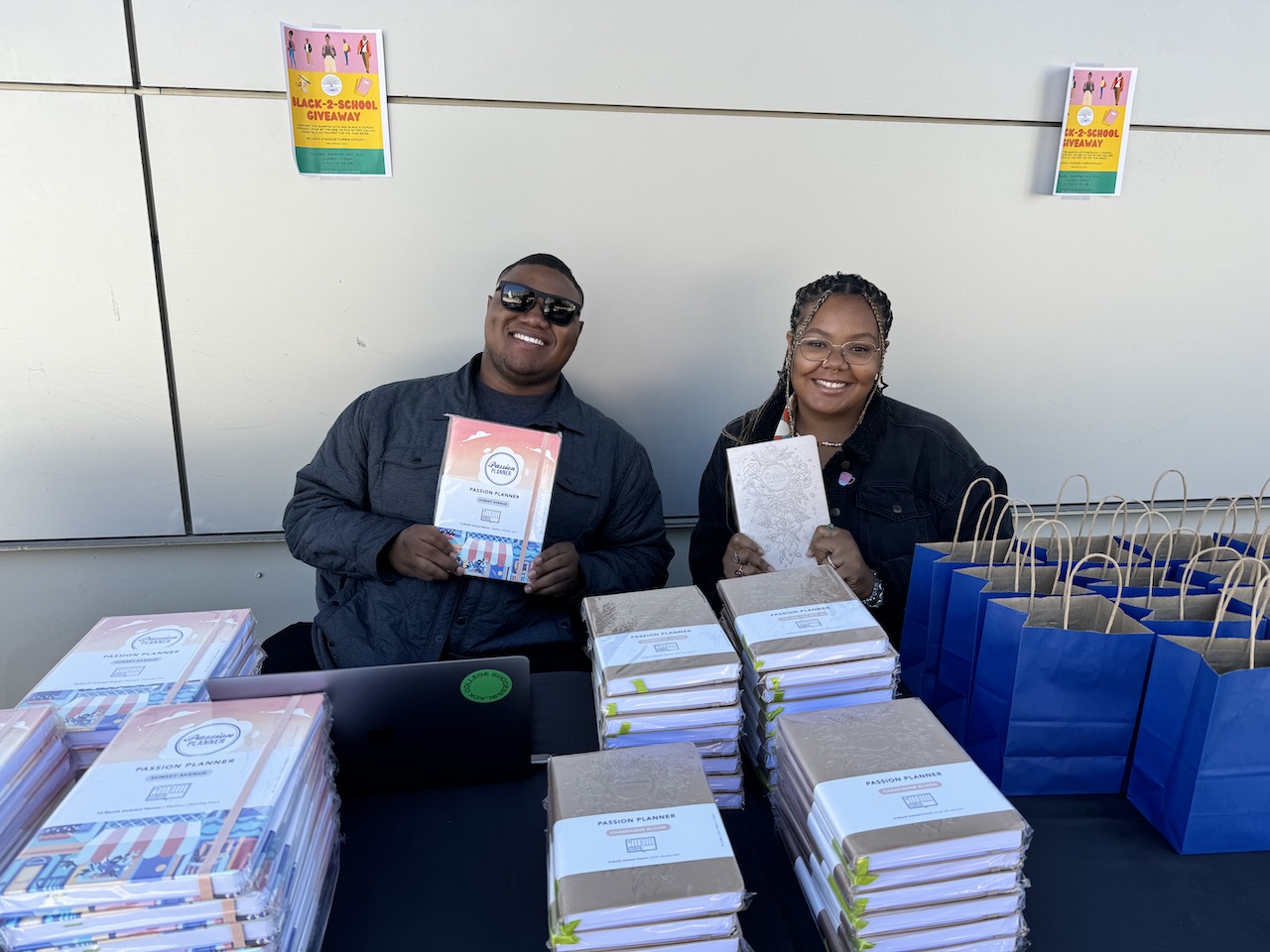

By the Numbers
OBSD has been fundamental to my comfortability as a Black student on a PWI campus because it has connected me to so many different people within the community with similar experiences. Having a place to go while on campus and relax or study and see people that look like myself is very refreshing, especially when every class we are likely the only Black student in the class. OBSD has also helped feed me. I love when there are events with free food.

Office of Student Conduct
Revolutionizing the Student Conduct Process
Cultivating Resilience in Our Students
The Office Student Conduct (OSC) has immensely improved case processing over the past five academic years. This was primarily due to the implementation of the Hearing Officer Adjudication model (effective March of 2021), which is better known as "HOA". OSC was able to successfully reduce the impacts of various barriers associated with the student conduct process while positively transforming the overall student experience.
Cases adjudicated via the HOA model, compared to standard adjudication (i.e., cases managed through meetings with OSC and/or hearings before the Student-Faculty Committee on Student Conduct), resulted in less-impactful case processing times and disciplinary sanctioning, or disciplinary action taken as a result of being found responsible for a policy violation. HOA enables OSC to incorporate more educational components into disciplinary sanctioning and reduces the overall case processing times in tremendous ways since being first implemented.
HOA has allowed OSC to significantly reduce the case management timeline (i.e., number of business days it took to close cases) between the 2020-21 and 2023-24 academic years (AYs). Approximately 57% of formally-adjudicated cases in the 2020-21AY took more than 30 business days to complete processing, while, in the 2023-24 AY approximately 41% of cases took longer than one month to complete processing.
OSC has increased the use of HOA from its inception in March of 2021. During the 2020-21AY, 24 cases were identified as being processed through standard adjudication while 84 were processed via HOA. In contrast, during the 2023-24AY, 7 cases were processed using standard adjudication while 69 were managed via HOA. This trend has continued into the 2024-25 AY with a majority of OSC cases being processed via HOA.
From 2021 to present, the HOA model has permitted "a hearing officer [i.e., Office of Student Conduct staff member] to make finding determinations and apply disciplinary sanctions in matters resulting in University Warning or Disciplinary Probation. In matters where the outcome may result in Suspension or Dismissal, the matter will be referred to the Student-Faculty Committee on Student Conduct (SFCC) hearing process [or standard adjudication] (see Student Conduct Code, D.1.d.)." Sanctions of Suspension or Dismissal are considered reportable conduct. Should a student, or former student, self-request, or permit a third-party to conduct, a disciplinary verification or background check, OSC would release information relative to the term/s of Suspension and/or Dismissal. Data collected from the 2020-21AY to present informed OSC of differences in the application of sanctions, with approximately 15% of sanctions applied in the 2020-21AY being reportable (i.e., a Suspension or Dismissal) while fewer than 10% of sanctions applied in the 2023-24AY were reportable.
OSC's initial implementation of HOA in 2021 readily enabled OSC to more positively engage with and support students beyond their present conduct matter. Having demonstrated the ability to enact faster processing times while applying more non-reportable sanctions, OSC’s continuation of HOA in the 2024-25AY has enabled students to successfully move forward in life, as both active members of the campus community and proud graduates of UC Santa Barbara.

By the Numbers
Office of the Registrar
Technology Tools Support Student Success
Facilitating Students' Agency Over Their Educational Goals
The Office of the Registrar establishes and maintains the academic records of the university and provides students with the enrollment services necessary to attain their educational goals. We are committed to continual development of our technology services to enable students to take ownership of their educational journey.
Some of the ways in which the Office of the Registrar supports student’s agency are:
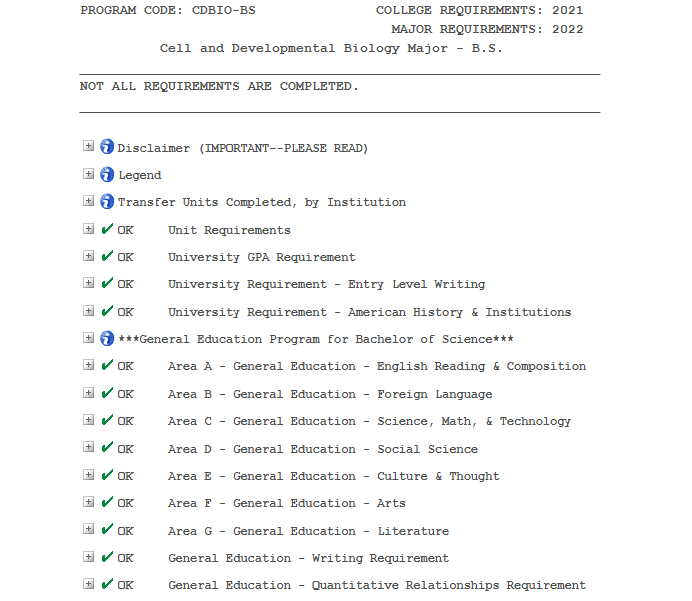
Major Progress Check
The Major Progress Check is available to all undergraduate students in the student web portal, GOLD. A major progress check is an individualized report that shows how completed courses and exams apply towards satisfying University, College (including general education), and major requirements. It lists all coursework taken at UCSB (including UC Education Abroad Programs) and any courses taken at other institutions for which credit was awarded. Major progress checks contain information on specific major requirements (including major GPA requirements and major academic residency requirements).
The number of degree audits emerges as a significant predictor of on-time graduation for both Freshmen and Transfer students - the more audits run, the more likely the student will graduate on-time.
“What-If” Major Progress Check
In addition to the major progress check available for the student’s declared major, they can also run a major progress check for any other major at UCSB. This creates potential scenarios for additional or different degree requirements and to see how students could meet those requirements based on in-progress and completed courses.
Students ran 77,673 "what-if" major progress checks in 2024-25.
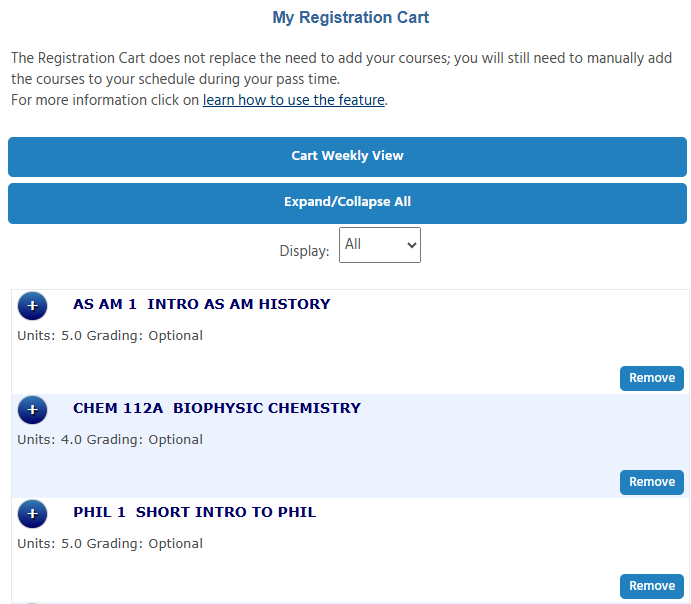
Registration Cart
The Registration Cart will allow students to flag courses they're interested in and have those courses saved and displayed at the bottom of their Course Schedule screen in GOLD. This improves the registration process and helps with advising in the days leading up to the registration pass times. The feature came about as a request of an Associated Students On-Campus Senator in 2019-2020, and was implemented by a student developer on the Registrar Information Systems team.
For Spring 2025 registration, 91.5% of undergraduate students used the registration cart. 64.4% of students added courses directly from their registration cart.
By the Numbers
Orientation Programs & Parent Services
From Student Employee to University Representative
Orientation Skills for Current & Future Career Goals
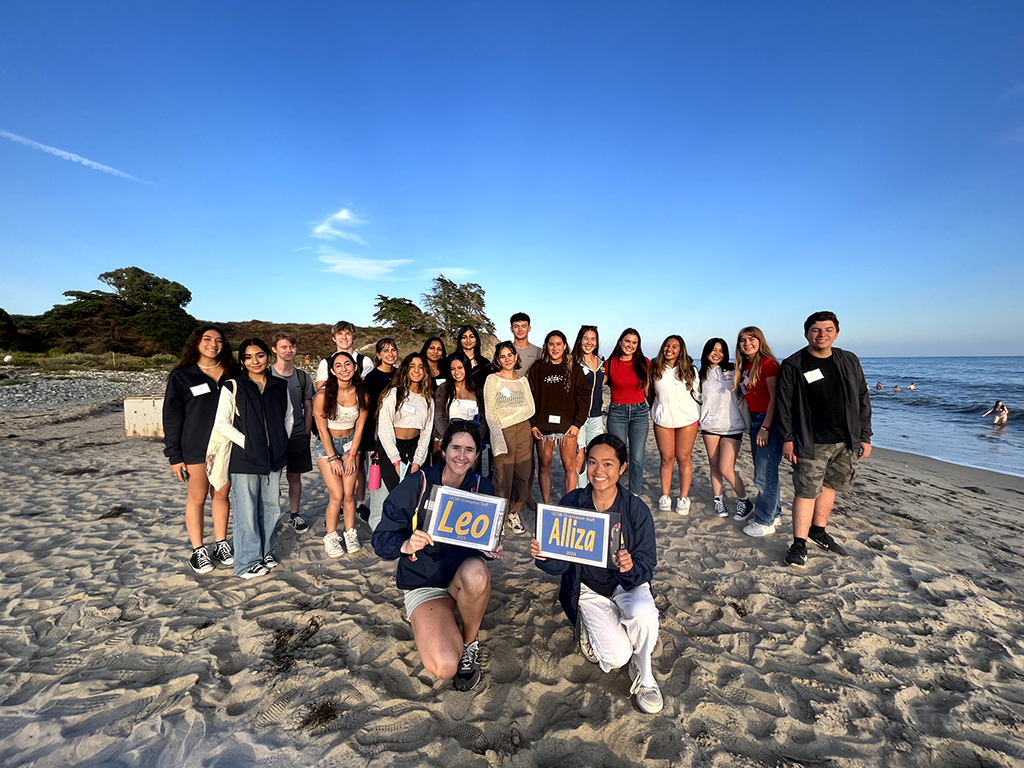
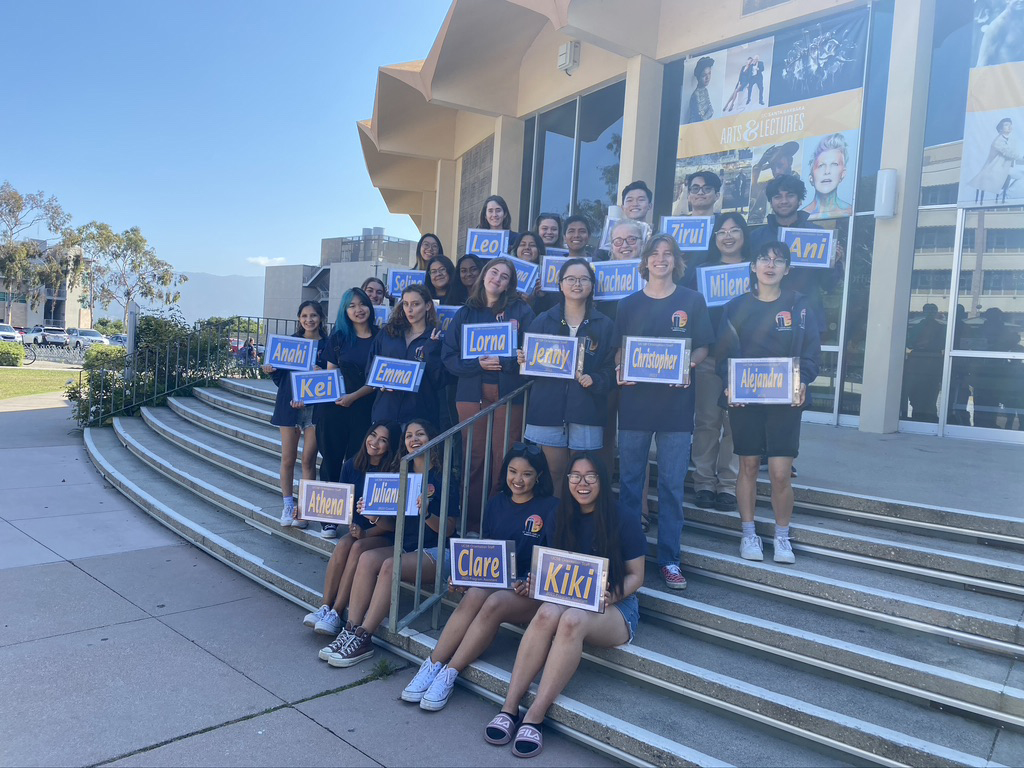
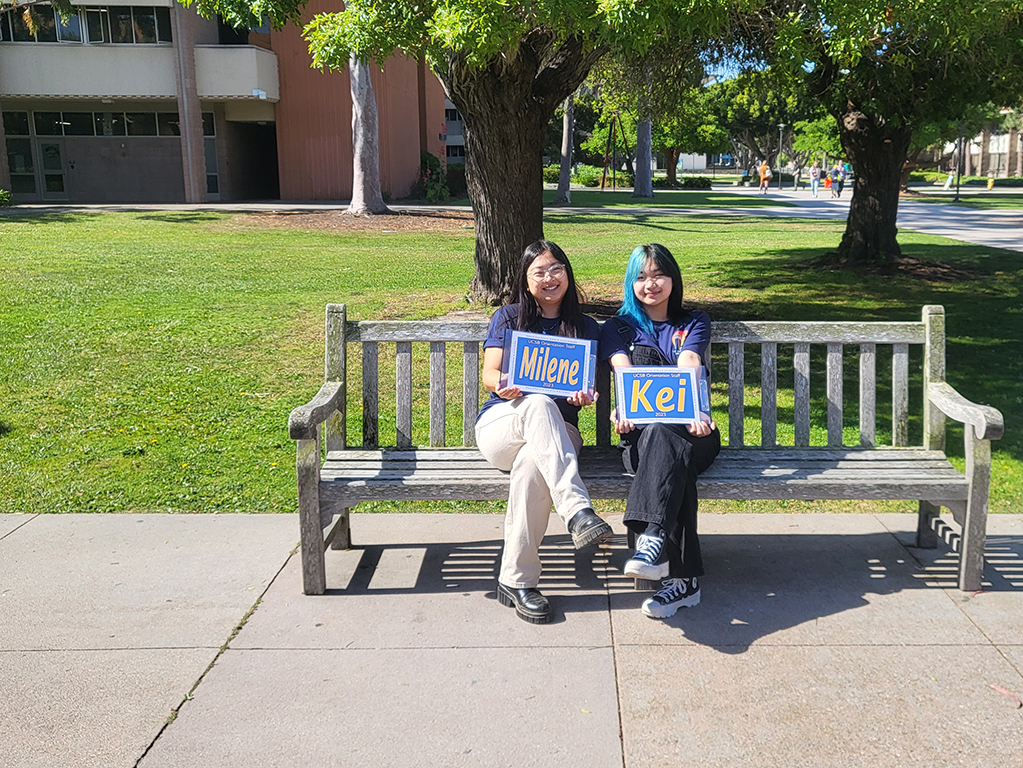
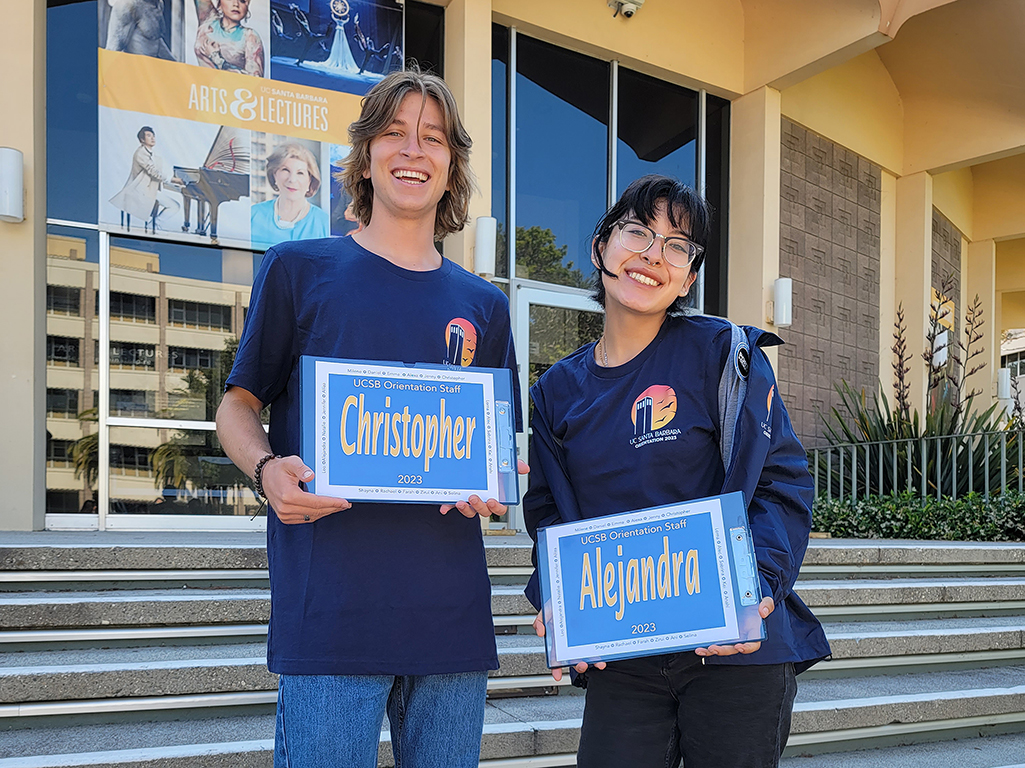
A key aspect of Orientation Program’s mission is the professional and personal development of our undergraduate student staff. Applicants take part in a comprehensive four-step selection process, after which a formal feedback & goal-setting meeting is provided to every hired staffer. Orientation student staff then complete over 100 hours of training before they begin full-time summer work as student advisors and University representatives to incoming students and their families.
Our training and job responsibilities increase confidence and provide students with hands-on experience in public speaking, academic advising, and disseminating information to diverse populations. They work successfully with individuals from a range of backgrounds and experiences, and resolve conflicts in a productive and empathetic manner. Orientation staff alumni have gone on to successful careers all over the world and on the UCSB campus. Employers frequently comment on the skills staffers acquire from working with our department and bring to their careers.
By the Numbers
I have developed more confidence in the fact that I am more dependable, more approachable, and more respectful. I plan to use these in my life by being more confident when addressing a room and leading activities. - (2022 Orientation Staffer, Exit Survey response)
I feel much stronger in my abilities to command and lead a group when we need to present important information….I’m actually utilizing a lot of the skills I picked up (such as the being able to take charge of a group) at my other job…I also feel immeasurably more confident in my abilities to connect with people on individual and group levels, and be able to provide them with better insight and guidance based on what I learn from observations and direct conversation. - (2022 Orientation Staffer, Exit Survey response)
I know I can give a solid presentation in front of a wide range of people. No matter the situation, I know I can talk to people and try to ease their worries or make them less stressed. Before [Orientation], I was hesitant to ask for help, but now I know that it doesn’t make me any less capable and it’s good to ask for help even if it is a simple clarifying question. - (2022 Orientation Staffer, Exit Survey response)
Resource Center for Sexual and Gender Diversity
Resilience in Community: Strengthening LGBTQIA+ Support at UCSB
Through cross-campus collaboration and student leadership, the RCSGD fosters belonging and equity for queer and trans students.
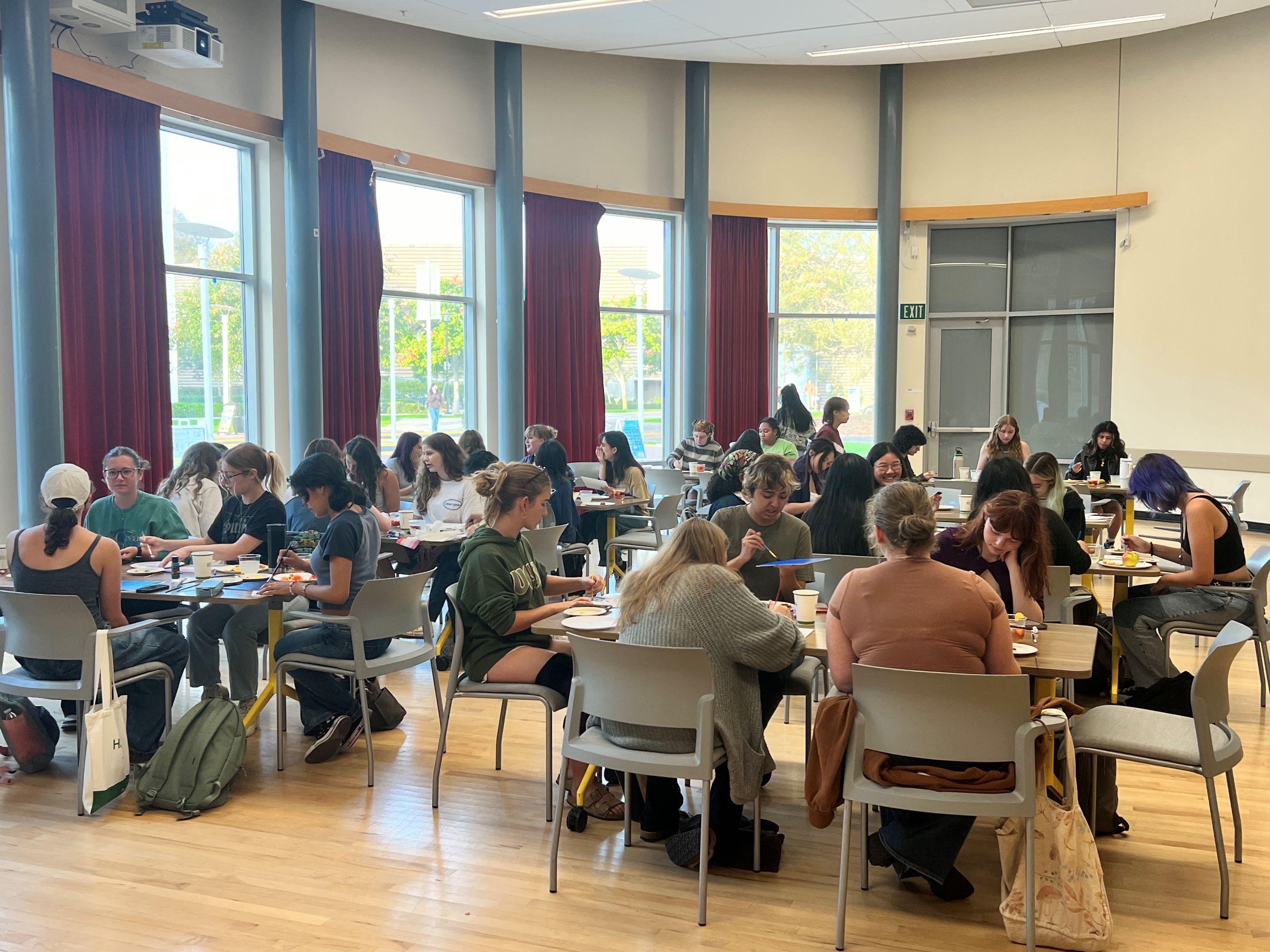
This academic year, the Resource Center for Sexual & Gender Diversity (RCSGD) focused on strengthening the LGBTQIA+ campus community by collaborating across departments, empowering student leaders, and delivering responsive support. Grounded in values of community, advocacy, integrity, and social justice, the RCSGD advanced long-term strategies for resilience and systemic change while providing individualized guidance to students navigating urgent needs.
A key example of this work is the RCSGD’s Queer & Trans Leadership Council (QTLC), which builds coalitions and peer support among LGBTQIA+ student organizations. Designed as a hub for collaborative planning and open dialogue, the QTLC uplifts the unique voices and visions of each student organization while fostering a shared commitment to equity and community care. With RCSGD support, students tackled institutional and social barriers through real-time problem-solving and campus-wide advocacy. In biweekly meetings, student leaders have raised critical concerns and amplified visibility and engagement through events like A.S. Trans and Queer Commission’s PRIDE Week and the new Gaucho Gaming PRIDE Celebration. As needs evolve, the RCSGD’s QTLC stays committed to preserving historical LGBTQIA+ student organizations and supporting systems of mutual support.
Additionally, the RCSGD provided extensive direct support to students navigating complex concerns brought up by the current socio-political climate. The center addressed recent student concerns by offering guidance on legal name and gender changes, Title IX processes, and bias incident reports. In collaboration with UCSB partners like Student Health Services and Counseling & Psychological Services, the RCSGD connected students to gender-affirming care, mediated conflicts, and supported them through family, academic, and workplace challenges. Whether helping a student explore their identity, sharpen advocacy skills, or prepare for graduate school interviews, the RCSGD serves as a steady and responsive resource meeting students where they are.
Lastly, RCSGD continued collaborative programming with identity-based campus departments such as the Multicultural Center, Office of Black Student Development, Alcohol & Drug Program, Education Opportunity Program and the ONDAS Student Center among many others. These partnerships aim to embed queer-affirming practices into broader student services and uplift intersectional coalition work.

By the Numbers
Point of Pride
To commemorate 25 years of serving LGBTQIA+ students at UCSB, the RCSGD is partnering with the Department of Feminist Futures to archive and preserve the history of LGBTQIA+ life and activism on campus.This will be a multiyear endeavor.
Student Engagement and Leadership
Supporting Student Leaders Through Rapid Growth
Marking a Year of Record Numbers, Resilience, and Unwavering Dedication
A Summary of Perseverance and Accolades
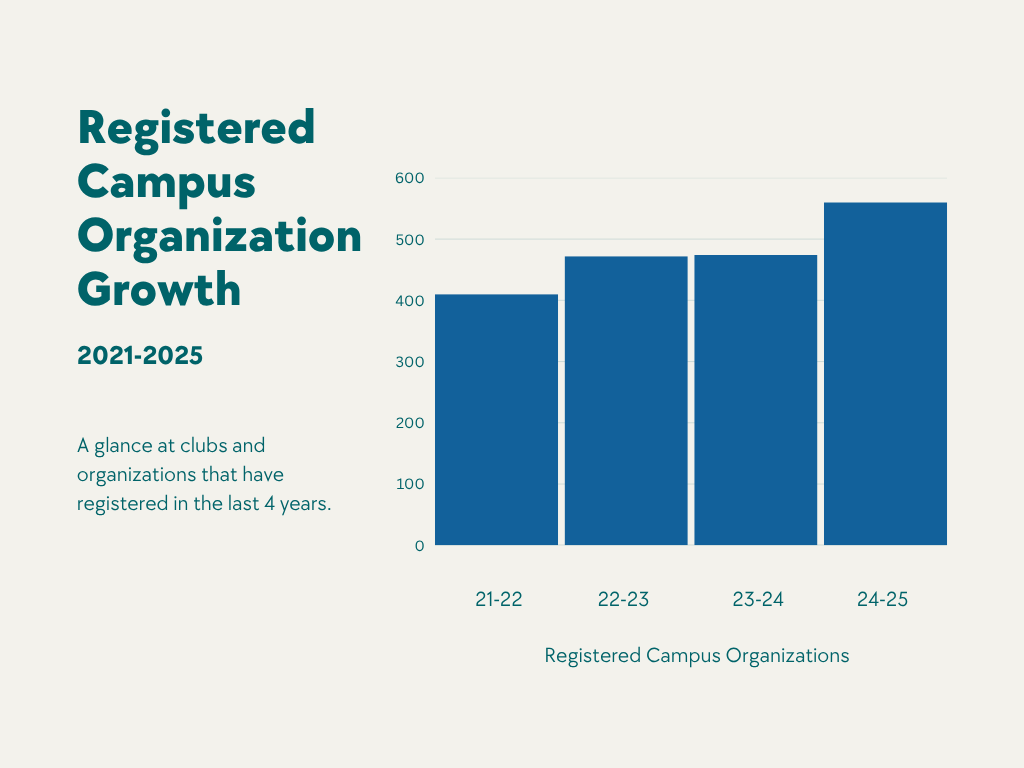
Symbolic of our own program, Waves of Change, Student Engagement And Leadership (SEAL) navigated a year of ups and downs with resilience and grace. Despite reductions in budget and staffing, SEAL saw growth in Registered Campus Organizations (RCOs), Greek-affiliated students, and award-winning student leaders. Through these challenges, we remained committed to providing high-quality services and promoting student engagement and development through co-curricular programs—including campus organizations, fraternities and sororities, leadership development, and civic engagement.
Helping Students Find Their Community
SEAL’s mission to help students find—or create—their communities came to life through our support of more than 520 RCOs. We reached students via Involvement Fairs, Shoreline, campus presentations, social media, and more. This year, the Fall Quarter Involvement Fair was held in a new location, Chem Lawn, and hosted over 200 clubs and 4,000 students. Our Shoreline platform continues to serve as a one-stop shop for students to discover campus events and student organizations.
Fraternity & Sorority Excellence
Our fraternities and sororities welcomed a record number of new members in the College Panhellenic Council (CPC), contributing to an overall increase in Greek-affiliated students on campus. With over 38 chapters, the FSL (Fraternity & Sorority Life) community continues to grow—expanding both its size and its reach across diverse student interests.
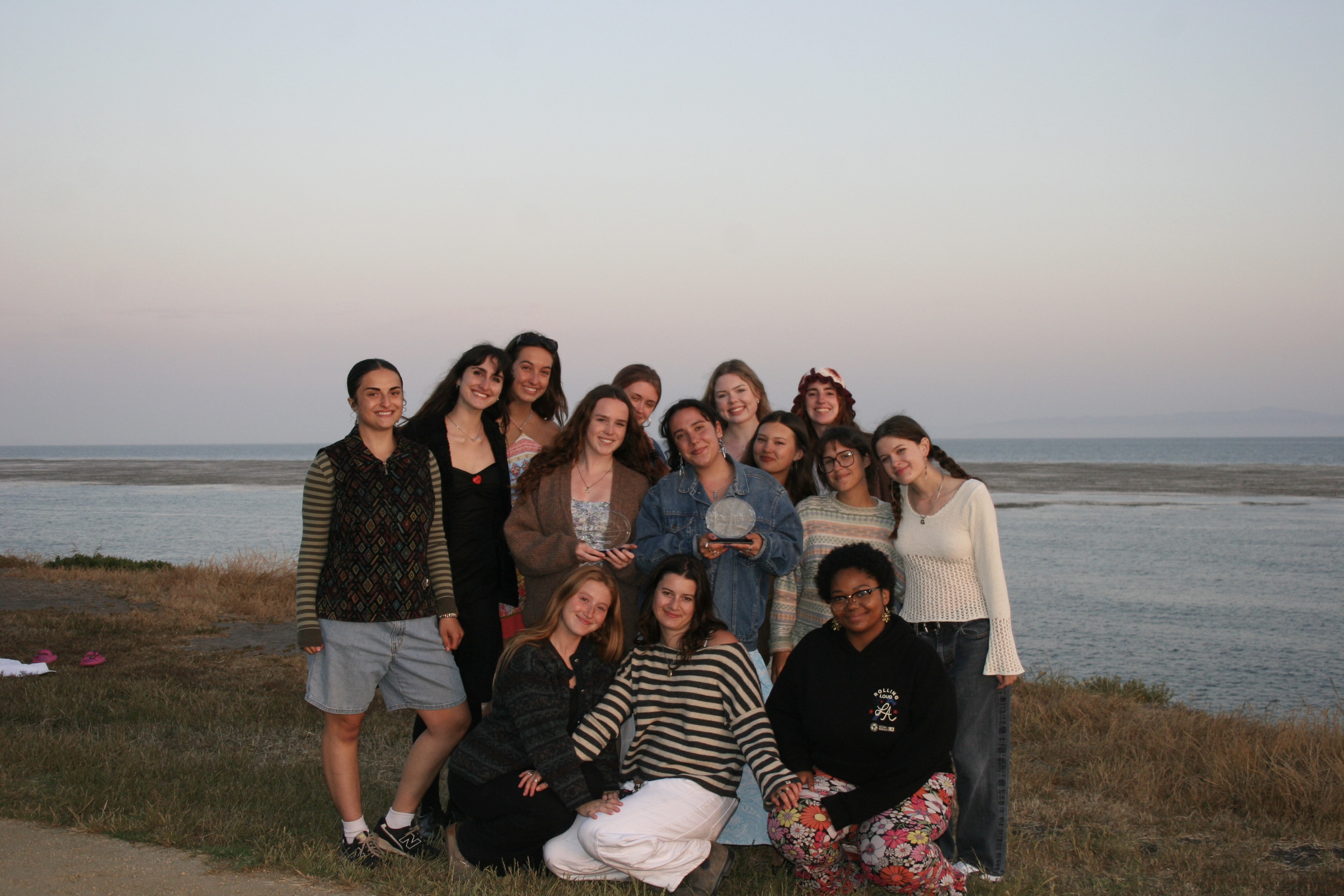
FSL enhanced its programming this year with initiatives such as the FSL New Member Conference, Fraternity and Sorority Education Conferences, the Fraternity & Sorority Institute, and annual traditions like Installation and the FSL Awards. Most notably, FSL student leaders attended the AFLV Western Regional Conference and brought home seven awards—a testament to their hard work and excellence.
Ripples of Change
Leadership development expanded with new offerings and increased participation. Waves of Change—now entering its fourth cohort in just two years—has become a signature SEAL program, receiving high satisfaction ratings. Over 220 student leaders attended our Annual Student Leadership Retreat that hosted a wide range of workshops with themes such as leadership development, belonging, alumni engagement, campus resources and more.
SEAL continues to support student leadership growth through a variety of training opportunities and resources, including The Art of Inclusive Communication, GauchoBack, office hours with SEAL Interns and general RCO workshops.
At the Fall Divisional Student Affairs Meeting we promoted the launch of the Co-Curricular Transcript program. This Shoreline tool is built for students to track and showcase their leadership and involvement beyond the classroom.
The Future of SEAL
As we look ahead to the coming academic year, our focus remains on resilience, creativity, and meaningful support for student development and campus organizations. We are excited to continue our partnerships with students, staff, and faculty in building a vibrant, inclusive campus community.

By the Numbers
Student Mental Health Coordination Services
Redefining the Metrics of Resilience
Supporting Students Facing Unique Challenges and Crises
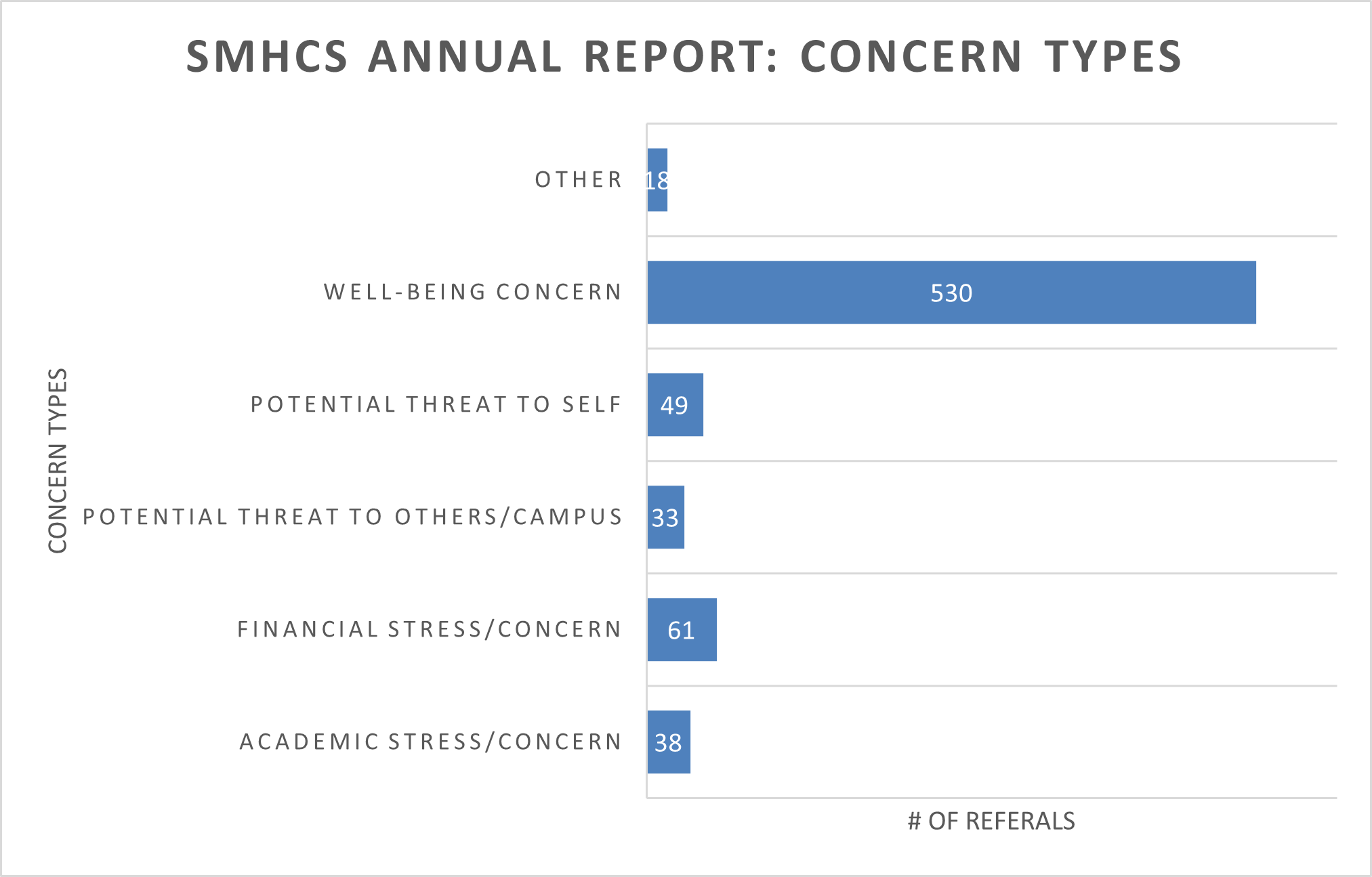
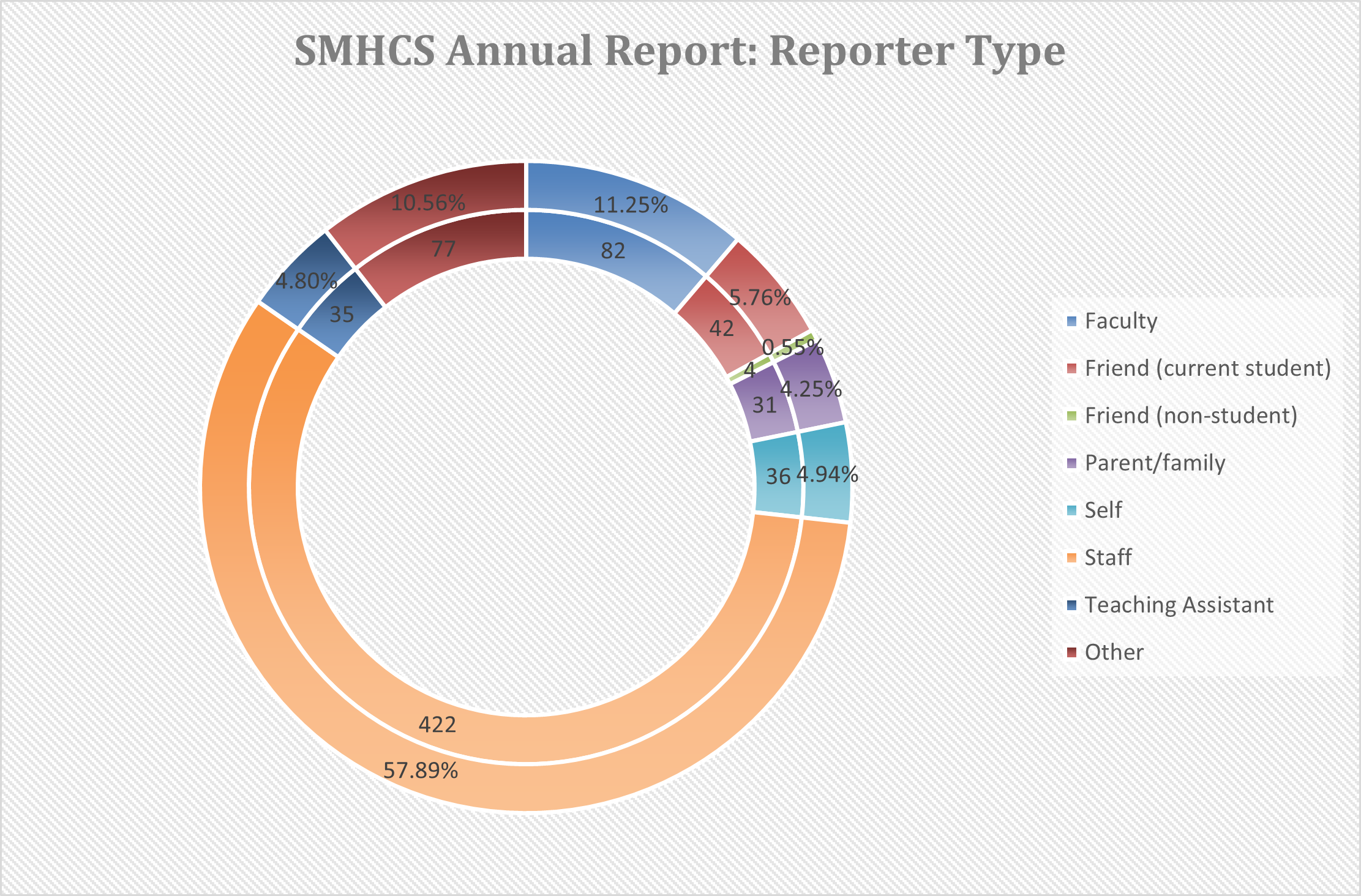
Student Mental Health Coordination Services (SMHCS) provides outreach and support to students experiencing distress for a variety of concerns including mental health, academic, financial, cultural, interpersonal and more. The SMHCS case managers are a critical part of the campus safety net that prioritizes supporting student’s wellbeing and the safety of the campus community. In alignment with this year’s theme, “Stories of Resilience,” SMHCS continues to play a pivotal role in supporting student well-being through compassionate care, crisis response, and coordinated support.
When students are referred to the services of a case manager it is because a member of the UCSB community has recognized that a student is facing some significant barriers to their overall academic success and college experience. In this way, SMHCS is one of the primary offices on campus that can help address the barriers that students face through direct 1:1 support, holistic assessment of needs, and advocacy with navigating various university processes and resources. Over the past year, SMHCS provided individualized case management for hundreds of students experiencing complex mental health challenges, academic distress, housing instability, and significant personal hardships. Each student supported through our department represents a story of persistence, healing, and growth. Through proactive outreach, early intervention, and collaboration with departments such as Counseling & Psychological Services (CAPS), Residential & Community Living (Housing), and the Disabled Students Program (DSP), SMHCS helped students stay connected, engaged, and on track to meet their personal and academic goals. Together, we continue to build a stronger, more compassionate UCSB.
The stories we encounter daily—which are sensitive and personal -- range from students navigating grief and loss, experiencing feelings of depression and isolation on campus, to those rebuilding their lives after a crisis such as a suicide attempt. In the past year, we've supported students struggling with distress related to political unrest, feelings of hopelessness related to identity and belonging, and supporting those who have experienced threats to their safety from others. Even when dealing with these difficult situations our students can continue to thrive with the right help. Each case we manage is not just a response to a challenge, but a partnership in a student’s journey toward recovery and empowerment.
As we reflect on this year, SMHCS remains committed to creating a campus culture where mental health is prioritized, and where every student has the opportunity to thrive despite adversity. Seeing a student who we've helped bounce back from a difficult life event make it to graduation is an amazing feeling. Sometimes resilience is about redefining what the student needs, which may mean taking time away from school to get healthy, or finding a new landing place for an academic journey, all of these are metrics that make our work unique. Although our connection with students may have limited touchpoints, our team takes great pride in knowing we played a meaningful part in their story of resilience. Our hope is to continue to advance our work and understanding of how SMHCS services positively impact the student experience with resilience at UCSB.
Below, we’d like to share some quotes/stories from students who have shared with us exactly how our support made them feel.
By the Numbers
I just had to take the opportunity to express my gratitude to you. You really are such a natural helper with such a generous spirit and warm presence, and to be in that presence again was so beautiful! I am not sure if you are still with UCSB, but I would love to meet with you again if you are. And if not, I hope this email finds you somehow, so I can again remind you how important your work has been to me, and I’m sure to many others as well. Thank you for all that you do, and being who you are.
-Junior Standing, Sociology Major
Thank you so much for your kind words and all that you do, your work and leadership in my life here at UCSB has been instrumental to my wellbeing and advocacy for my disabilities.
-Junior Standing, Pre-Biology major
I just wanted to thank you again for all your help. It truly means a lot to know I’m not alone at such a big school, and your support has been so comforting. I really appreciate your kindness and assistance. Wishing you a wonderful weekend!
-Sophomore Standing, Brain and Psychological Sciences Major
Thank you so much for all that you do, words cannot express how much I appreciate you and the work that you do to support students like me.
-Junior Standing, Pre-Bio Major
Thank you so much for all what you did and have been doing! The fact that I have your contact as emotional support is a relief.
-Graduate Standing, Economics Dept.
I just wanted to say thank you for your time over these past meetings. I know you have spent a lot of time managing your schedule, health, and responsibilities here. For example, I just wanted to say thank you for rearranging your other Friday morning meeting during our time slot. That meant a lot to me.
-Junior standing, Economics major
I wanted to take a moment to wish you a merry Christmas and happy upcoming New Year. Once again thank you for all the assistance you have given me during my time at UCSB. Even though I was not able to reach the goals I wanted, I believe that a large part of the success I have is thanks to people like you who have selflessly helped me during my academic journey. I wish you and your family a restful and happy holidays.
-Junior Standing, Earth Science Major
It was so nice to meet with you this morning, thank you for listening to me and making me feel seen.
-Senior Standing, Psychological and Brain Sciences Major
Undocumented Student Services
Nourishing Resilience
A Year of Community and Opportunity in USS

By the Numbers
This has been a tough year for many communities, including those impacted by the United States' immigration system and policies. Amid the challenges, this has been a very meaningful year for Undocumented Student Services (USS).
Our year started with the Immersion Program for Academic and Cultural Training (IMPACT). Through a collaboration with the Centro de Ensenanza Para Extranjeros (CEPE) at the Universidad Autonoma Nacional de México (UNAM), USS launched this three-week, cultural, academic, and ethnographic program that presented 15 students with DACA the unique opportunity to travel to Mexico with Advance Parole. Through a series of seminars, field trips, and workshops, students explored their roots and reunited with family (many for the first time since they immigrated to the United States as children).
"Being able to come to Mexico and see and be a part of the home my parents left behind has been such a blessing. It has been a life-changing experience, in which I see life differently. I was able to bring my mom and dad with me in my heart and spirit. I hope to make my parents proud and continue to work hard to one day be able to bring them home. To where they belong and can truly feel at peace... I am looking forward to seeing what life has in store for me moving forward." - IMPACT Student
A few months after our return from IMPACT, our team braced itself for the 2024 presidential election results and the inauguration of the next administration, which brought concern about the safety and wellbeing of our immigrant families. To support our students and campus community, we relied on community building efforts, training, and on our partners from the UC Immigrant Legal Services Center ("UC Imm"). Through community building efforts, students connected with each other (to form new friendships) and with campus partners (to find new mentors). Our staff lead UndocuAlly Training efforts to educate staff, faculty, and administrators on what they could do to support our community. And our partners at UC Imm, helped us inform students and the campus with credible, relevant, and timely immigration legal updates.
One of our students shared that this quote by Frida Khalo - "Echame tierra y veras como floresco" ("Throw me soil and you will see how I bloom") - represents how many undocumented and students from a mixed status family feel after this year's challenges. This year, the resilience of our students inspired USS to rise to the occasion to provide unique opportunities that nourished their personal, academic, and professional growth.
Women, Gender & Sexual Equity
Ode to the First 50
Our Students' Efforts this Academic Year were Clear and Poignant: Not to be Erased
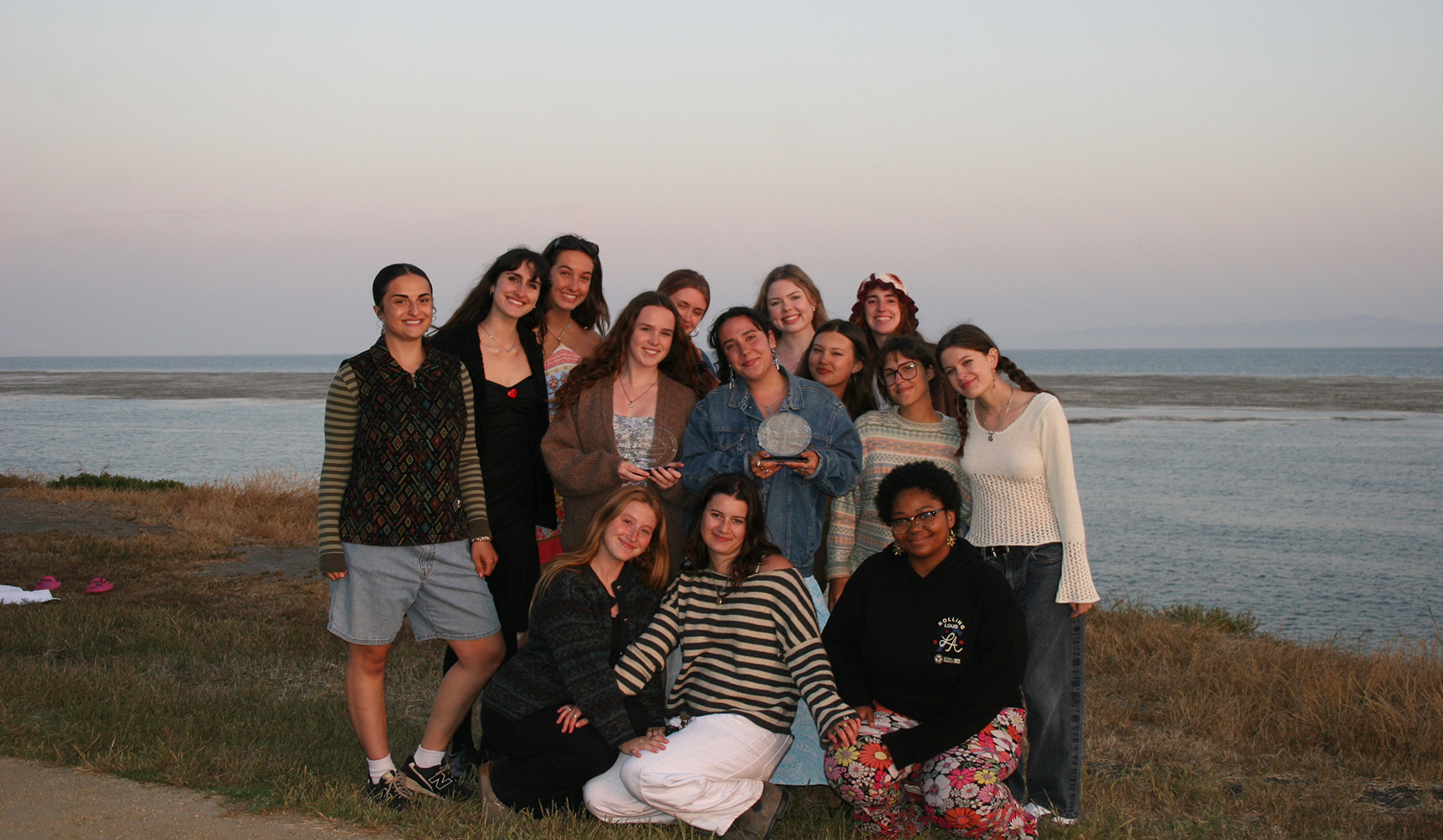
This year, we celebrated the 50th anniversary of the UCSB Women’s Center. Our staff connected and met with the “founding mothers” of the Women’s Center and heard incredible stories of resilient women who wanted to build a community to support their peers on campus. Whether it was learning about the strides of the Rape Prevention Education Program (1976-2013), spearheaded by Cheri Gurse, and its evolution that would oblige every University of California campus to establish a Campus Advocacy Resources and Education (CARE) office, or hearing our foremothers’ commitment to addressing the gap of support for parenting students, our history at UCSB is inspirational. What our founders envisioned and what continues to drive the work we do today is a commitment to a feminist vision to create a campus that is safe, equitable, and just for ALL.
Being able not only to celebrate 50 years of the Women’s Center on the UCSB campus, but also to analyze the impacts and shifts of the Women’s Center has been illuminating and inspiring to students. Showing how influential the central concepts against patriarchy and all oppressive systems in our lives and the connections of intergenerational feminists that are made in our space have motivated many students to tap into the center as volunteers, making this year’s volunteer program cohort the largest yet. Additionally, many young feminists have taken interest in the Women’s Center history and mission to feature us in course projects, student run newspapers, radio shows, and popular social media which has highlighted us as an indispensable space to supplement students’ education.
Resources such as ours, who question exclusionary practices and structures through the various contexts our students come to us in, are under attack and we are proud to know that despite this the record attendance of our programming (reaching over 150 participants for multiple events this year) shows that our students are more invested than ever to ensure that we remain visible and headstrong.

Current Students and Staff Stand behind the Panel Composed of Women's Center Founders and Former Directors